
blog
Travel Savvy Brits: Why You Need an International Drivers Permit
Jun
Travel Savvy Brits: Why You Need an International Driving Permit
Picture the scene: You’ve touched down in sunny Italy or the sprawling landscapes of the USA. You’ve bypassed the queues, your sunglasses are on, and you’re standing at the car rental desk ready to claim the keys to your holiday road trip. But then, the clerk frowns, taps their screen, and asks a dreaded question:
“Do you have your IDP?”
For thousands of British holidaymakers each year, this is the exact moment their dream getaway hits an unexpected roadblock. While a UK driving licence is an exceptionally powerful document, Post-Brexit realities and shifting global regulations mean it is no longer an automatic golden ticket to drive everywhere globally on its own.
If you want to stay travel-savvy and keep your journey seamless, understanding the International Driving Permit (IDP) is essential. Here is everything you need to know about why you need one, where you need it, and how to grab yours before you fly.
What Exactly is an International Driving Permit?
An International Driving Permit is an official, multi-language translation of your domestic driving licence. It is recognized worldwide and acts as a verified extension of your UK entitlement to drive.
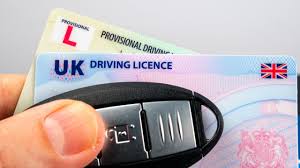
It does not replace your plastic UK photo card licence—rather, it works alongside it. You must always carry both documents together when driving abroad. Presenting an IDP without your physical UK driving licence is legally invalid.
Why Do Travel-Savvy Brits Need One?
1. It’s Often a Strict Legal Requirement
Gone are the days when a UK licence automatically covered you across the entirety of Europe and beyond. While many European Union nations still allow you to drive on a UK licence for short visits, several countries require an IDP by law. Driving without one in these territories means you are technically driving unlicensed, risking hefty on-the-spot fines or vehicle impoundment.
2. Car Rental Policies Are Getting Stricter
Even if a country’s local police are relaxed about foreign drivers, car rental companies are strictly corporate. Many insurance policies held by rental conglomerates mandate that non-residents must possess an IDP to validate their damage waiver cover. If you cannot produce one at the counter, the company has every right to deny you the vehicle—often without offering a refund.
3. The Post-Brexit Landscape
Since the UK officially left the European Union, the rules have become fragmented. While popular spots like France, Spain, and Portugal currently permit UK licence holders to drive without an IDP for short stays, neighbouring nations have different ideas. If you plan a cross-border road trip—say, driving from France into Italy or through the Balkans—you will quickly cross borders where an IDP transforms from ‘recommended’ to ‘mandatory’.
4. Overcoming Language Barriers
If you are involved in a minor accident or stopped for a routine check in a country like Japan, Thailand, or Egypt, local authorities may not speak English or easily recognize the layout of a UK licence. An IDP translates your credentials into multiple global languages (including Arabic, French, Spanish, and Russian), eliminating friction and preventing costly misunderstandings with local law enforcement.
The Three Types of IDP: Which One Do You Need?
Not all IDPs are created equal. Depending on the United Nations Convention followed by your destination country, you will need one of three specific versions. It is vital to check exactly which one matches your itinerary:
- The 1926 Permit: Required for countries like Mexico and Somalia. Valid for up to 1 year.
- The 1949 Permit: Required for the USA, Canada, Japan, Thailand, Australia, New Zealand, Cyprus, and Malta. Valid for up to 1 year.
- The 1968 Permit: Required for Italy, Germany, Greece, Turkey, Croatia, UAE, and most of mainland Europe. Valid for up to 3 years (or until your UK licence expires).
Planning a multi-country mega-trip? If you are driving across borders that subscribe to different conventions, you may actually need to purchase two different types of IDP simultaneously.
How to Get Your IDP (The Savvy Way)
Getting your permit is remarkably straightforward, but timing is key. You can apply for an IDP in person at selected UK Post Office branches. It cannot be done fully online via official government channels, so you must factor in a quick trip to the high street.
What to bring to the Post Office:
- Your physical, valid UK photocard driving licence.
- A passport-standard photograph (signed on the back if using an older paper licence).
- Your valid passport (if you still hold a paper driving licence).
- The application fee of £5.50 (an absolute bargain compared to a cancelled rental contract!).
You must be a resident of Great Britain or Northern Ireland and be 18 years of age or older to qualify. You can apply up to three months before your intended travel date.
Conclusion: A Small Step for Big Peace of Mind
When you’re budgeting hundreds or thousands of pounds for flights, accommodation, and curated excursions, spending £5.50 and 10 minutes at a local Post Office is the ultimate low-cost holiday insurance policy. Even if your destination list sits in a grey area where an IDP is merely “recommended” rather than legally enforced, carrying one marks you out as a thoroughly prepared, travel-savvy Brit.
Don’t leave your freedom to explore sitting at the rental desk counter. Check your destination’s driving rules, grab the right permit, and hit the open road with absolute confidence.
Disclaimer
This blog post is for informational and educational purposes only. Driving regulations, international treaties, and entry requirements change frequently. While every effort has been made to ensure accuracy at the time of publication, rules can vary based on your specific visa status, length of stay, and the type of vehicle you intend to drive. Always verify the latest official entry and driving requirements for your destination country via the UK Government’s foreign travel advice website (gov.uk/foreign-travel-advice) and your specific vehicle rental provider before departing.
