No products in the cart.

blog
Step-by-Step Guide to Driving Abroad with a UK Licence
13
Jun
Jun
Step-by-Step Guide to Driving Abroad with a UK Licence
There is nothing quite like the freedom of an international road trip. Whether you are navigating the winding coastal roads of the Amalfi Coast, cruising down Route 66, or tackling the rugged terrain of the Scottish Highlands before heading across the Channel, having your own set of wheels transforms a holiday.
However, driving abroad isn’t quite as simple as packing your bags and hitting the accelerator. Post-Brexit regulations, varying international laws, and strict rental company policies mean British travellers have a bit of homework to do before they set off.
To ensure your journey is filled with scenic vistas rather than stressful roadside arguments, follow this comprehensive, step-by-step guide to driving abroad with a UK licence.
Step 1: Check Your Photocard Expiry Date
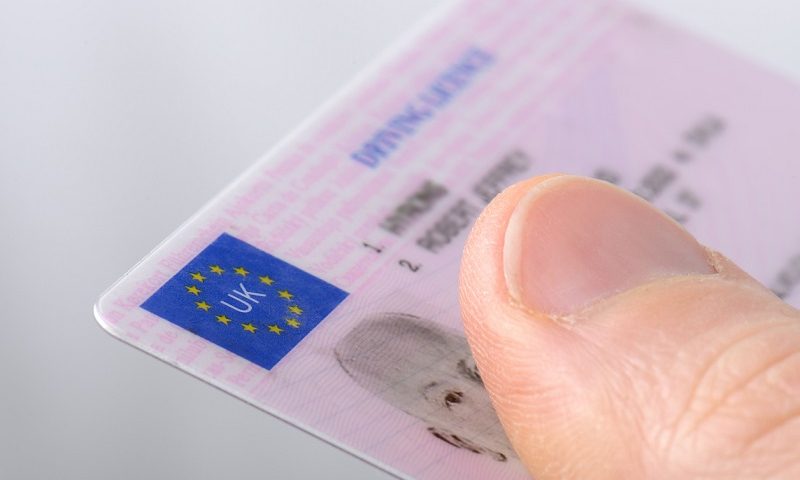
Before you even think about looking at rental cars, dig out your physical UK photocard driving licence.
- Check the expiration date: Look at section 4b on the front of your card. A standard UK photocard is valid for 10 years, and it is surprisingly easy to let it slip by unnoticed.
- The Paper Licence Catch: If you still hold an older-style paper driving licence (issued before 2015), it remains legally valid in the UK. However, many foreign police forces and rental agencies struggle to recognize it. If you only have a paper licence, it is highly recommended to upgrade to a photocard before you travel, or ensure you bring your valid passport everywhere you go.
Step 2: Determine If You Need an International Driving Permit (IDP)
Since the UK officially left the European Union, the rules surrounding where you can drive with just a UK licence have become fragmented. An IDP is a multi-language translation of your licence that acts as a verified extension of your UK driving entitlement.
Depending on your destination, you may need one of three types of IDP by law, or to satisfy your car rental company’s insurance policy:
Which IDP Do You Need?
- The 1926 Permit: Required for a small number of countries, such as Mexico and Somalia.
- The 1949 Permit: Required for major destinations like the USA, Canada, Japan, Thailand, Australia, and New Zealand.
- The 1968 Permit: Required for Italy, Germany, Greece, Turkey, Croatia, UAE, and the vast majority of mainland Europe.
Travel Savvy Tip: If you are planning a cross-border road trip through multiple countries, check the requirements for every single destination on your route. You may need to purchase two different types of IDP simultaneously.
You can pick up an IDP in person at selected UK Post Office branches for just £5.50. Be sure to bring your passport photo and your physical licence with you.
Step 3: Secure a “UK” Vehicle Sticker (If Taking Your Own Car)
If you are taking your own British-registered vehicle across the English Channel or over the Irish border, you must display your country identifier clearly on the rear of the vehicle.
- Goodbye ‘GB’, Hello ‘UK’: As of late 2021, the old ‘GB’ sticker is no longer valid. You must display a clear ‘UK’ sticker on the back of your car.
- The Exception: If your number plate already includes the ‘UK’ identifier alongside the Union Jack flag, you do not need a separate sticker when driving in most EU countries. However, if you are driving in Spain, Cyprus, or Malta, you must display a separate UK sticker regardless of what is on your registration plate.
Step 4: Gather Your Vital Documents
When driving in a foreign country, keeping your paperwork organised is your best defense against unexpected legal hiccups. Create a dedicated travel wallet containing:
- Your Physical UK Driving Licence: An IDP does not replace your UK licence; it must always be presented alongside it.
- Your Valid Passport: Often required by rental companies and local police to verify your identity and legal entry/visa status.
- Your Rental Agreement & Insurance Documents: Ensure you have copies of your Collision Damage Waiver (CDW) or third-party excess insurance policy.
- Vehicle Log Book (V5C): Essential if you are driving your own UK-registered vehicle abroad.
- Crit’Air Clean Air Sticker (For France): If driving through major French cities (like Paris, Lyon, or Bordeaux), your car must display a valid wind-shield sticker rating its emissions category, or face steep fines.
Step 5: Pack the Legal Essentials (The Compulsory Kit)
Many countries—especially across mainland Europe—legally mandate that certain safety equipment must be kept inside the vehicle at all times. If you rent a car locally, these should be included (though you should always check before leaving the lot). If you are driving your own car, you must pack them yourself:
- Reflective Safety Jackets: Most EU nations require one jacket per passenger, and they must be kept in the cabin of the car, not in the boot.
- Warning Triangle: To be placed behind the vehicle in the event of a breakdown.
- Headlamp Beam Deflectors: Because British cars drive on the left, our headlights are angled to illuminate the left pavement. When driving on the right side of the road abroad, your lights will blind oncoming traffic. You must attach temporary deflector stickers to your lenses.
- First Aid Kit & Spare Bulbs: Explicitly mandatory in countries like Germany, France, and Croatia.
Conclusion: Preparation is the Ultimate Co-Pilot
Navigating foreign roads can be one of the most exhilarating parts of traveling, but it requires respecting local laws before you ever turn the key. By taking an hour out of your schedule to verify your photocard expiry date, secure the correct International Driving Permit, and cross-reference your destination’s mandatory equipment checklist, you insulate yourself from unnecessary fines and stressful rental desk rejections.
Do the paperwork early, pack your patience for the right-hand side of the road, and enjoy the open highway!
Disclaimer
This blog post is for informational and educational purposes only. Driving regulations, international treaties, and vehicle requirements change frequently. While every effort has been made to ensure accuracy at the time of publication, rules can vary based on your specific visa status, length of stay, and the type of vehicle you intend to drive. Always verify the latest official entry and driving requirements for your destination country via the UK Government’s foreign travel advice website (gov.uk/foreign-travel-advice) and your specific vehicle or rental provider before departing.

Pingback: Update UK Licence Free: Official DVLA Name & Address Guide