No products in the cart.


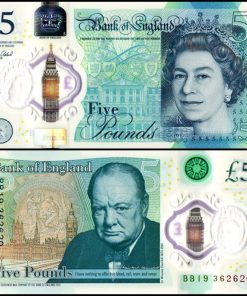
The rise of online marketplaces has made it easier than ever for individuals to access a wide range of products, including counterfeit currency. Among these, the counterfeit 5 British Pound Sterling banknotes have gained attention for various reasons, from novelty collecting to nefarious purposes. However, engaging in the purchase or use of counterfeit money is fraught with legal, ethical, and financial risks that can have serious consequences. This article delves into the complexities surrounding counterfeit banknotes, offering insights into their appeal, how to identify genuine versus fake currency, and the potential repercussions of involvement in such transactions. As we explore this controversial topic, it’s essential to understand not only the operational aspects but also the broader implications of dealing in counterfeit currency.
Understanding Counterfeit Currency: Risks and Legal Implications
The Legal Framework Surrounding Counterfeit Currency
Counterfeit currency is a big legal no-no, and it’s not just a slap on the wrist. Most countries have stringent laws against the production, distribution, and possession of fake money. In the UK, under the Forgery and Counterfeiting Act 1981, it’s illegal to make or supply counterfeit currency. So, if you’re thinking of dabbling in the dark side of money, remember: the law isn’t exactly turning a blind eye.
Potential Penalties for Buying and Selling Counterfeits
Getting caught with counterfeit banknotes can lead to some serious consequences. If you’re selling them, you could face hefty fines or even a prison sentence of up to 14 years. And let’s be real, a prison break is not a great plan for your next vacation. Even buying counterfeits can land you in hot water, especially if the authorities decide to investigate how you got your hands on that stylish phony £5 note.
Financial Risks Involved in Counterfeit Transactions
Buying counterfeit money is like investing in a bottomless pit. Not only could you lose your hard-earned cash, but you’re also at risk of getting nothing in return if the note doesn’t pass the sniff test. If you later try to spend that lovely fake £5 note, good luck explaining to the cashier why your money looks a bit “off.” Trust us, no one wants to be labeled the person who got duped by Monopoly money.
The Appeal of Purchasing Counterfeit Banknotes Online
Reasons Behind the Demand for Counterfeit Money
Why would anyone want to buy counterfeit banknotes? Well, not everyone is plotting to pull off a heist. Some hobbyists collect them for art projects, while others just want to prank a friend. There’s also a niche market for magicians and performers who need fake money for their acts. But let’s be clear: the line between harmless fun and illegal activity can get blurry pretty quickly.
Market Trends in Online Counterfeit Sales
As technology advances, so does the market for counterfeit currency online. This isn’t your grandma’s black market—websites and forums have exploded with users seeking fake notes. With anonymity and accessibility at an all-time high, some people believe they can navigate this risky world without getting caught. Spoiler alert: it rarely ends well.
Identifying Authenticity: How to Spot Fake 5 Pound Notes
Key Features of Genuine 5 Pound Banknotes
Spotting a fake £5 note is easier than finding your other sock after doing laundry. Authentic ones come with distinct features, like a transparent window, holograms, and a color-changing £ symbol. Give it a feel—real notes have a unique texture, and the print is sharp. If it looks like it’s been printed at home, it probably was.
Common Forgery Techniques Used in Counterfeit Notes
Counterfeiters have an array of tricks up their sleeves—from using advanced printing technology to old-school methods like photocopying. Many forgeries have blurry images, missing security features, or colors that look more like a toddler’s art project than legitimate currency. So, if you’re evaluating a note and it gives you sketchy vibes, chances are, it’s about as real as a unicorn.
Where to Find Counterfeit 5 Pound Sterling Banknotes Online
Popular Online Marketplaces for Counterfeit Banknotes
Going down the rabbit hole of counterfeit banknotes online often leads to some interesting marketplaces. From obscure websites to forums where enthusiasts gather, the options are seemingly endless—but so are the risks! Just remember, purchasing counterfeit notes is like playing with fire; you might get burned!
Evaluating Seller Credibility and Reviews
If you’re still considering making a purchase (which we don’t recommend), navigating the seller landscape is crucial. Look for reviews and ratings—if sellers have more red flags than a bullfighting arena, it’s best to steer clear. Trust your gut: if they promise you the “best” fake notes for “cheap,” you might just be their next victim.
Evaluating the Quality of Counterfeit Banknotes
Different Grades of Counterfeit Currency
Not all counterfeit banknotes are created equal, much like how not all toppings on a pizza are pepperoni. You might encounter everything from the “barely passable” fake to the “I could almost fool the Queen with this” variety. Generally, counterfeit currency is categorized into three grades: low, medium, and high. Low-grade fakes might lack basic features like watermarks or security threads, while high-grade counterfeits go the extra mile, mimicking advanced printing techniques and materials. Just remember, even the best counterfeit note is still a mischievous little rascal, and it’s still illegal!
How to Assess the Quality of a Counterfeit Note
So, you’ve got a counterfeit note in your hands and are feeling a bit suspicious? Here’s your guide to uncovering its secrets! Check for the weight and texture first; a quality note should feel slightly different than a regular bill (think of it as the difference between a well-aged cheeseboard and a plastic cheese slice). Next, examine the security features—these could include watermarks, holograms, and transparent windows. And don’t forget to hold it up to the light! If it looks like a ghost from a low-budget horror flick, you might want to reconsider your purchase. Ultimately, if you’re questioning the authenticity, it’s probably best not to carry on with your suspicious business.
The Consequences of Using Counterfeit Currency
Legal Consequences of Using Counterfeit Notes
Let’s get real: using counterfeit currency is like trying to sneak a lion into a petting zoo—it’s just not going to end well for you (or the unsuspecting children). The legal consequences can range from hefty fines to some serious jail time, depending on how deep you are in the counterfeit game. The government doesn’t take kindly to this kind of tomfoolery, and they’ve got a whole lot of regulations to back up their displeasure. If you’re considering dipping your toes into this murky water, remember: the law is watching, and so are those cameras at the ATM.
Impact on Retailers and the Economy
Counterfeit notes don’t just affect your own wallet; they have a ripple effect that can shake the entire economic pond. Retailers receiving fake currency might find themselves at a loss when they can’t pass it off or exchange it for real money. This leads to increased prices for everyone, as businesses try to cover their losses. Additionally, counterfeit currency undermines trust in the financial system, like discovering your favorite restaurant serves microwaved meals instead of freshly prepared ones. It’s not just a few bad apples; it can spoil the whole bunch and make everyday transactions a lot more complicated.
Alternatives to Counterfeit Currency: Legal Option
Collecting Legal Currency Replicas
If you’re feeling the itch to have some cash that looks cool without breaking the law, why not consider collecting legal currency replicas? They’re like the collectible action figures of the money world—great for display, but you won’t get kicked out of your favorite coffee shop for trying to use them. These replicas can be great conversation starters and educational tools! Just make sure they’re clearly marked as replicas, or you might find yourself in a sticky situation, attempting to pay for your latte with a “limited edition” note.
Understanding Legal Tender and Its Importance
Legal tender is basically your golden ticket in the financial world—money that’s officially recognized for settling debts and transactions. Understanding what qualifies as legal tender helps you navigate the currency landscape without stumbling into the murky waters of counterfeit. In most places, this includes government-issued notes and coins. Knowing your legal tender is as vital as knowing how to dress appropriately for a British summer—one minute it’s sunny, and the next, you’re dodging raindrops while wearing flip-flops. Stick with legal tender to keep your financial adventures smooth and hassle-free!
Conclusion: The Ethics of Counterfeit Currency Transactions
Weighing Personal Ethics Against Financial Gain
When it comes to counterfeit currency, it’s time for a moral check. Sure, that fake 5 quid might seem like a quick way to get a few pints at the pub, but at what cost? Engaging in counterfeit activities puts you at a crossroads of ethics versus financial gain. Think of it like choosing between a doughnut and a salad: one’s immediately satisfying but might leave you questioning your life choices later. Weighing the short-term benefits against potential long-term consequences is crucial in deciding whether to dabble in counterfeit.
Long-term Implications of Engaging in Counterfeit Activities
Engaging in counterfeit activities can leave you with more than just a bad taste in your mouth; it can have serious long-term implications. If caught, you could find yourself facing a criminal record that follows you like a shadow. But even if you manage to fly under the radar, the stress of living a double life can take a toll on your mental health. Plus, let’s be honest, you’ll miss out on the warm fuzzies that come from honest transactions and helping your local economy thrive. So, before you take the plunge, consider the bigger picture and remember: the real deal is always the better choice! In conclusion, while the allure of purchasing counterfeit 5 British Pound Sterling banknotes online may be tempting for some, the associated risks and legal consequences cannot be overlooked. Engaging in such activities can lead to severe penalties and impact not just individuals but the economy as a whole. It is crucial to consider the ethical implications and explore legitimate alternatives that honor the value of currency and uphold the integrity of financial transactions. Ultimately, staying informed and making responsible choices is the best way to navigate the complexities of currency in today’s digital landscape.
Frequently Asked Questions
Is it illegal to buy counterfeit banknotes online?
Buying counterfeit banknotes is illegal in most jurisdictions, as it constitutes fraud and forgery. Engaging in such transactions can lead to severe legal consequences, including fines and imprisonment.
How can I tell if a 5 British Pound banknote is real or counterfeit?
To determine the authenticity of a 5 British Pound banknote, look for specific security features such as a watermark, security thread, color-shifting ink, and microprinting. Familiarizing yourself with these features can help you spot fakes.
What should I do if I accidentally receive a counterfeit note?
If you believe you have received a counterfeit banknote, do not attempt to use it. Instead, report it to your local authorities or your bank, which can guide you on the next steps.
Are there any legal alternatives to counterfeit banknotes for collectors?
Yes, collectors can opt for legal replicas or novelty currency that does not violate any laws. These options provide a way to appreciate banknotes without the legal risks associated with counterfeit currency.
| 5 Pounds Bills | $9.5K, $15K, $25K, $30K, $50K, $100K, $200K, $300K, $500K |
|---|
Be the first to review “Buy Counterfeit 5 British Pound Sterling Banknotes Onlines”
Related products

Euros Notes
Price range: $500.00 through $10,000.00

Australian Dollars
Price range: $500.00 through $10,000.00

Australian Dollars
Price range: $500.00 through $10,000.00

Australian Dollars
Price range: $500.00 through $10,000.00

US Dollars Notes
Price range: $500.00 through $10,000.00

Price range: $500.00 through $10,000.00
US Dollars Notes
Price range: $500.00 through $10,000.00

Euros Notes
Price range: $500.00 through $10,000.00
Reviews
There are no reviews yet.