
blog
Shocking Changes to German Driving Test Revealed
Jun
Shocking Changes to German Driving Test Revealed
Major changes are transforming Germany’s driving license system. Driven by a federal push to tackle soaring license costs—which frequently reach between €3,400 and €4,500—and the rollout of updated EU directives, the German Cabinet has approved a major overhaul of the driver training system.
If you or anyone you know is preparing to hit the Autobahn, the blueprint for getting a Führerschein has structurally changed. Here is exactly what these updates mean for student drivers.
1. Classroom Shift: Theory Moves Online
The requirement to sit through mandatory, physical classroom sessions at a local Fahrschule is officially a thing of the past.
- What’s Changing: Driving schools can now legally administer fully digital theory classes. Learners can fulfill their instructional requirements through approved apps and synchronous or asynchronous online classrooms.
- The Catch: To ease the burden of the final exam, the pool of potential theory questions is being streamlined, cutting the total database from 1,100 down to roughly 750 questions, narrowing the focus to vital road-safety scenarios.
2. Reduced Exam Times & Simulated Practice
Germany’s practical training is notoriously rigorous, but new regulations aim to optimize time behind the wheel.
- Condensed Practical Exams: The minimum active driving time required during the Class B practical exam has been slashed from 55 minutes down to just 25 minutes, capping the total testing appointment at 40 minutes.
- High-Tech Simulators: Driving simulators are now officially integrated into the formal training curriculum. Schools can substitute several hours of expensive, on-road practice sessions with highly realistic simulator training, cutting down overall hourly vehicle costs for students.
- Streamlined Sonderfahrten (Special Rides): The mandatory blocks for cross-country, night, and highway driving are being condensed to minimize excess scheduling bottlenecks while maintaining core safety principles.
3. The Shift to the Smartphone Wallet
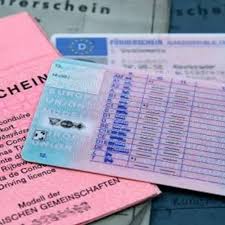
Carrying a physical piece of plastic in your wallet will soon become entirely optional during a routine traffic stop.
- The Update: Aligning with broader EU modernization goals, Germany is rolling out a fully legal digital driving license. This mobile credential lives securely inside the EUDI (EU Digital Identity) Wallet on your smartphone and functions as valid proof of your driving privileges for vehicle rentals and police checks.
4. Universal 2-Year Probationary Period
While training is becoming more flexible, accountability for new drivers is tighter than ever to curb accident rates among novices.
- The Rule: All new drivers face a strict, mandatory two-year probationary period across all member states.
- Strict Penalties: During these two years, zero-tolerance rules apply. Infractions involving driving under the influence or distracted driving (such as mobile phone use) trigger rapid, severe licensing sanctions and mandatory retraining.
Breakdown of Key Structural Changes
| Feature | Old System | New System |
| Average Initial Cost | €3,400 to €4,500 | Drastically reduced through simulators/digital learning |
| Theory Training | Mandatory in-person classroom hours | Flexible online classes and mobile apps |
| Theory Question Pool | 1,100 potential questions | Reduced to roughly 750 core questions |
| Class B Practical Test | Up to 55 minutes of test driving | 25 minutes minimum active driving time |
| License Format | Physical card required | Physical card + official Smartphone App digital ID |
Conclusion
This massive shakeup represents a determined effort by the German government to make driver training modern, fast, and significantly more affordable without compromising basic road safety. By pivoting to online theory modules, introducing simulator hours, and shortening the practical exam time, learners stand to save hundreds of euros. However, with greater accessibility comes strict responsibility; the universal two-year probationary period ensures that new drivers who abuse their newfound freedom face immediate consequences.
Disclaimer
This article is provided for general informational and educational purposes only. Legislation timelines, exact training curricula, simulator limits, and pricing structures may vary depending on the specific German federal state (Bundesland) and individual driving school policies. Always consult with a licensed German driving school (Fahrschule) or your local traffic authority (Fahrerlaubnisbehörde) for the most current, legally binding local regulations before registering for classes or an exam.
For a visual breakdown of how these changes aim to cut down the total expense of getting on the road, check out this brief overview on Germany’s Driver’s License Reform, which details the exact timeline and cost-saving measures introduced by the Transport Ministry.
