
blog
German Drivers Beware: License Rules Drastically Updated!
Jun
German Drivers Beware: License Rules Drastically Updated!
In a significant overhaul aimed at enhancing road safety and modernizing the driving experience, Germany has dramatically updated its driver license regulations. These changes, which encompass everything from age requirements to testing procedures, are poised to impact both new drivers and seasoned motorists alike. As the country adapts to evolving traffic conditions and safety standards, it is crucial for all drivers to familiarize themselves with the new rules to ensure compliance and avoid penalties. This article will explore the key changes, their implications, and provide guidance on how to navigate the updated licensing landscape effectively.
Introduction to the New License Regulations
The German driving landscape is shifting gears—quite dramatically! Recent updates in driver license regulations have left many scratching their heads (and maybe even their steering wheels). The new rules have arrived like an unexpected detour, causing both new and seasoned drivers to reconsider their roadmaps and prep their documents. Buckle up, folks; it’s time to navigate through what these changes mean for all of us behind the wheel.
Overview of the Previous Regulations
For years, Germany’s licensing process was as familiar as the Autobahn to a local—age limits, standard testing, and a sea of paperwork made up the landscape. The old regulations allowed eager teen drivers to hit the road at 17 with a learner’s permit, leading to a time-honored tradition of parallel parking practice in their parents’ driveways. But with the changing times and a surge in road safety awareness, the need for an upgrade became clearer than a speed limit sign on a foggy day.
Reasons for the Updates
So why the sudden overhaul? Well, you can thank a cocktail of factors: rising traffic incidents, advances in driving technology, and a good dose of EU directives. Authorities aim to foster safer and more responsible drivers, ensuring that everyone from the fresh-faced teen to the veteran commuter is equipped to handle the roads, no matter how slick or twisty they may get. It’s all about reducing risks and staying ahead of the curve—much like avoiding a pothole at 100 km/h!
Key Changes in Driver License Requirements
With the revamp in regulations, it’s time to look under the hood for the nitty-gritty details. Buckle your seatbelts, as these changes might just alter your route to obtaining that coveted driver’s license.
New Age and Eligibility Criteria
In a move that’s shaking things up like a shake weight, the age requirements have been adjusted. New drivers will now be hitting the roads at 18 instead of 17, ensuring that they have a bit more life experience (and perhaps less awkwardness) before tackling the art of driving. Eligibility criteria have also been fine-tuned to emphasize responsible driving behavior—because nobody wants a road rager in the driver’s seat!
Changes in Testing Procedures
Gone are the days of merely passing a test with a bit of luck. The testing procedures have gotten a facelift, with a stronger focus on real-world driving scenarios. Expect a longer testing period that reflects actual driving experiences—because let’s be honest, the driver’s seat isn’t a video game, and “driving simulations” only take you so far!
Updated Documentation Requirements
Prepare your document folders, because they’re about to get a workout. New paperwork requirements mean that aspiring drivers will need to show more proof of their eligibility. Think birth certificates, residency confirmations, and maybe even a picture of your pet for good luck (okay, maybe not that last one). If you thought collecting stamps was a hassle, wait till you see what’s required for your license!
Impact on New Drivers and Learner’s Permits
Now that we’ve covered the basic changes, how will they actually impact the rookies hitting the tarmac? Let’s break it down.
Revised Learning Processes
Learning to drive just got more structured! The revised learning processes introduce mandatory driving courses that are longer and more comprehensive. This means new drivers will spend more time behind the wheel with a qualified instructor, practicing everything from the art of merging to the fine art of not panicking when you spot a cyclist. Safety first!
New Restrictions for Learner Drivers
With great power comes great responsibility—or even some restrictions! Learner drivers will face new limits on nighttime driving and passenger numbers. This isn’t your typical “no backseat driving” spiel; it’s about ensuring that those who are still mastering the art of parallel parking can focus without too many distractions. Think of it as a way to stay cool until you’ve officially earned the right to proudly sport those fully-fledged driver’s wings.
Changes for Existing License Holders
Not just new drivers are feeling the shift; seasoned license holders will also need to navigate the new roadmap. Here’s what you need to know if you’ve been happily cruising with your license for a while.
Renewal Procedures and Deadlines
Existing drivers, it’s time to mark your calendars! License renewal procedures have been overhauled, with stricter deadlines introduced. No more waiting until the last minute to renew (we see you!). Drivers will need to keep an eye on their expiration dates and ensure they have all necessary documents ready for a smoother renewal process. Planning is key, people!
Transitioning to the New License Format
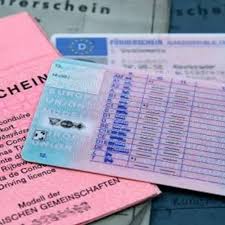
For those with old license formats, brace yourselves—transitioning to the shiny new format will be part and parcel of the update. The new license boasts upgraded security features and an easier-to-read layout. Plus, it guarantees that your license doesn’t look like an ancient relic of the pre-digital age. Just remember, change is hard, but your driving skills are still top-notch regardless of the plastic in your wallet!
Consequences of Non-Compliance
Fines and Penalties
If you thought that ignoring the newly updated license rules would just earn you a stern finger-wagging, think again! Non-compliance could result in hefty fines that could make your wallet weep. Expect to see penalties ranging from minor fees for simple paperwork blunders to substantial fines for more serious infractions. Repeated offenses might even lead to the loss of your driving privileges. So, unless you enjoy the very stationary life, it’s best to stay on the right side of the law!
Legal Implications for Drivers
Ignoring the updated rules could lead to more than just financial woes; drivers may also face legal consequences that could haunt you like a bad coffee stain. Being caught without a valid license under the new regulations could result in criminal charges in severe cases. This might involve court appearances and, let’s face it, nobody wants to trade their driving thrill for a courtroom drama. So, it’s smarter (and more fun) to keep in the good graces of the driving gods!
How to Prepare for the Updated Rules
Steps to Update Your License
Updating your license doesn’t have to feel like preparing for a royal coronation. Start by checking what specific documents you’ll need: think proof of identity, residency, and perhaps a few more forms depending on your situation. Next, gather your paperwork and schedule an appointment at your local licensing authority. Don’t forget to practice your best “I’m totally prepared” smile for when you get there. Lastly, take any required tests seriously—you’ll want that shiny new license in your wallet!
Resources for Drivers
Feeling a bit lost in the sea of updated regulations? Fear not! There are plenty of resources to guide you. Local traffic authorities often have online portals chock-full of information. Additionally, you can check out official government websites for the latest updates and FAQs. Don’t underestimate the power of good old-fashioned community advice; asking friends or family who’ve recently navigated the process can save you a world of headaches. Just remember, the internet is your friend, so Google wisely!
Frequently Asked Questions
What If I Fail the New Tests?
Failing a test doesn’t mean you’ll have to trade your car keys for a bicycle forever. You typically have the option to retake the tests after a short waiting period. Think of it as a chance to brush up on your road knowledge or get some super-secret study tips! Just make sure to be well-prepared next time, because showing up with a coffee-induced caffeine crash won’t win you any points!
How Will These Changes Affect Insurance?
Insurance companies are happiest when they have all the latest information about your driving status. If your license changes and you forget to inform them, you could end up in a sticky situation when it comes time to file a claim. Generally, updating your license should result in no major shifts in your premiums, but it’s wise to check in with your provider about any implications as rules evolve. They might even have some tips to help keep your rates low—who doesn’t love some savings?
Conclusion and Next Steps for Drivers
Summary of Key Takeaways
To sum it all up: The roads are getting a bit more complicated, and it’s in your best interest to keep your license compliant with the new rules. Ignoring these regulations can lead to fines, penalties, and even legal troubles. So, gather your documents, update that license, and keep a close eye on the new guidelines. Your driving future depends on it!
Encouragement to Stay Informed
As the saying goes, knowledge is power—especially when it comes to driving regulations! Stay informed by regularly checking official resources and engaging with your local community for any updates. If you keep your ears open and your eyes peeled, you won’t just be a driver; you’ll be a savvy road warrior ready to tackle any traffic challenge that comes your way!As Germany implements these updated driver license regulations, it is essential for all drivers to stay informed and proactive about the changes. By understanding the new requirements and preparing accordingly, drivers can ensure a smoother transition and continue to uphold safety on the roads. Remember, being knowledgeable about these updates not only helps you avoid penalties but also contributes to a safer driving environment for everyone. Stay vigilant and drive responsibly!
Frequently Asked Questions
What if I fail the new tests?
If you fail the new tests, you will have the opportunity to retake them after a designated period. It’s important to study and prepare thoroughly to increase your chances of passing on your next attempt.
How will these changes affect my car insurance?
The updated licensing regulations may influence your car insurance rates, especially if they affect your driving record or the type of license you hold. It’s advisable to discuss any potential impacts with your insurance provider to ensure you understand your coverage.
Do I need to update my current license immediately?
While there may be a grace period for transitioning to the new regulations, it’s best to update your license as soon as possible to avoid any potential legal issues or penalties associated with non-compliance.
Where can I find more information about the new regulations?
You can find more information about the new driver license regulations on the official website of the German transportation authority or by visiting your local licensing office for detailed guidance and resources.
