No products in the cart.

blog
Spotting Fake British Pound Notes!
08
Jul
Jul
Spotting Fake British Pound Notes!
In an era where financial transactions are increasingly digital, the importance of recognizing authentic currency remains critical, particularly when it comes to the British Pound. Counterfeit notes not only undermine the economy but also pose serious risks to businesses and consumers alike. With sophisticated printing technology making it easier for counterfeiters to produce convincing replicas, knowing how to spot fake notes has never been more essential. This article will guide you through the common signs of counterfeit British Pound notes, highlight the security features of genuine currency, and provide practical tips for both individuals and businesses to ensure that they are handling authentic money.
Understanding the Importance of Authentic Currency
The Economic Impact of Counterfeit Currency
Counterfeit currency is like a bad sequel to a beloved movie – it’s just not welcome! The circulation of fake notes can lead to inflation, reduced consumer confidence, and all sorts of economic chaos. When fake notes start flooding the market, businesses suffer, the public loses trust in their currency, and law-abiding citizens might as well be throwing their money into a wishing well. So, keeping a keen eye out for fakes isn’t just a hobby; it’s a vital role in maintaining economic stability.
How Counterfeit Notes Affect Businesses and Consumers
Picture this: a small café owner accepts a counterfeit £20 from a well-dressed individual who just had a “very legitimate” craving for a scone. A week later, when the café tries to deposit that note, the bank says, “Sorry, mate, that’s as real as a unicorn!” Businesses like this one can suffer losses that rip through the whole economy like a free sample gone rogue. For consumers, it’s like finding out that your favorite ice cream shop uses those fake ice creams that just melt away under scrutiny. Trust is shattered, and everyone ends up a little poorer.
Common Signs of Counterfeit British Pound Notes
Visual Discrepancies to Look Out For
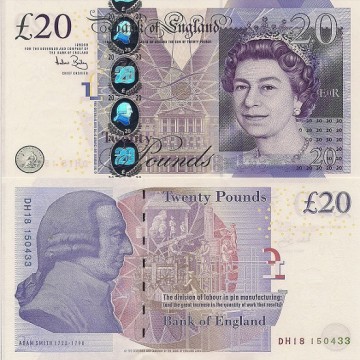
Keep your peepers peeled! A counterfeit note often has blurry images, dull colors, or doesn’t quite match the crispness of a real one. Look for things like the portrait of the Queen – if she’s looking more like a tired aunt than royalty, we’ve got a problem! Additionally, the serial numbers on genuine notes have a specific format, while fakes might seem like they were created on a Monday morning after a wild weekend.
Feel and Texture Differences
Real British pounds have a unique texture that feels slightly rough, almost like the bank’s way of checking if you really mean business. Counterfeit notes can feel oddly smooth or flimsy, as if they’ve never seen a cash register in their life. If you can’t tell whether you’re holding paper or a sheet of buttered toast, it’s time to exercise that skepticism!
Comparative Analysis with Genuine Notes
Next time you’re out and about, whip out a real note and do a comparison! Check the colors, the size, and the weight. Genuine notes are like fine wine – they have depth and character. If your note feels more like a cheap bottle of fizzy water, it’s probably not the real deal. Side-by-side checks can be your best friend in spotting fakes faster than you can say, “Is this valid currency?”
Security Features of Genuine British Pound Notes
Watermarks and Security Threads
Genuine pound notes come equipped with watermarks that are as trusted as your grandma’s hug. Hold the note up to the light, and you should see a clear watermark of the Queen’s portrait. Additionally, there’s a security thread woven into the bill – it’s like the little fiber superhero keeping your cash safe from the counterfeit villains lurking in the shadows.
Color-Shifting Ink and Holograms
Think of these features as the cherry on top of the currency sundae. Genuine notes use color-shifting ink that changes color when tilted. If your note remains boringly the same color, it’s time to raise an eyebrow. Holograms are also a clear indicator of authenticity, bouncing light like a disco ball at a party. If the note doesn’t have these, it’s best to question its legitimacy faster than you can say “Tweedledee and Tweedledum!”
Microprinting and Other Hidden Features
Microprinting, the Sherlock Holmes of security features, is tiny text that you need a magnifying glass to see. If you squint at your note and can’t spot it, you might be holding a counterfeit piece. Genuine notes also have other sneaky features – like UV markers that reveal hidden images under black light. If your note disappears under the UV light like a bad magician’s trick, it’s definitely fake.
How to Use the UV Light Test for Verification
What to Look For Under UV Light
Break out your black light (don’t pretend you didn’t buy one for late-night rave purposes), and shine it on that note! Genuine British pound notes will reveal bright colors and security features that pop under UV light. Look for glowing elements like patterns or fibers that make your note light up like a Christmas tree; if it’s dim and dull, it’s time to send that note to the fake currency hall of shame!
Limitations of the UV Light Test
But hold your horses! The UV light test is not foolproof. Some clever counterfeiters are getting creative with UV-reactive inks, so your light show may not be as reliable as you’d hope. Plus, if you’re trying to impress your date with your currency knowledge, remember this is just one part of the puzzle. Always combine it with visual checks and your good old-fashioned gut feeling – because sometimes your instincts are the best security feature of all!
Tips for Businesses to Train Staff on Currency Validation
Implementing Regular Training Sessions
Training your staff on currency validation isn’t just helpful—it’s essential! Schedule regular training sessions to keep everyone updated on the latest security features of British Pound notes. Consider throwing in a fun quiz at the end, because who doesn’t love a little competition to keep things lively? Plus, a well-informed team is a confident team, ready to spot those sneaky fakes when they try to slip through.
Using Tools and Resources for Verification
Equip your staff with the right tools! This might mean investing in UV lights, magnifying glasses, or even nifty counterfeit detection apps. Having these on hand can bolster your team’s confidence and speed up the validation process. Pair them with training materials—think quick reference guides or posters showing the key features of genuine British Pound notes. Who knew spotting a fake could be so stylish?
What to Do If You Encounter a Fake Note
Steps to Take Immediately
First things first: don’t panic! If you suspect you have a fake note, try to keep it calm and casual. Politely explain to the customer that the note appears to be counterfeit. Avoid any accusations—after all, they may be just as much a victim as you are! Then, secure the note in a safe spot and inform your manager or a designated staff member. It’s best to handle these situations with professionalism (and perhaps a bit of discretion).
Documenting the Incident for Reporting
Documentation is your friend in these situations. Take note of the serial number on the fake note, the time and date of the incident, and any details about the person who presented it (you know, just in case). This info will be crucial when it comes time to report the counterfeit. A quick note jotted down can make all the difference later; consider it your secret weapon in the fight against fakes!
Reporting Counterfeit Currency to Authorities
Who to Contact and How
So, you’ve got a fake note in hand—now what? The first step is to report it to the authorities, typically your local police department. They’ll want all the details you gathered earlier, like when and where you received the note. Additionally, the Bank of England has a hotline for reporting counterfeit notes, so don’t hesitate to reach out to them as well! You can never be too thorough when it comes to fakes.
The Importance of Reporting Counterfeits
Reporting counterfeit currency is more than just a good deed; it’s an essential part of keeping our economy safe and sound. Counterfeiting can hurt businesses and consumers alike, so your report helps authorities track down the fakers and hopefully prevent further incidents. Plus, you’ll be doing your part to keep the British Pound as strong as a cuppa on a rainy day!
Resources for Further Information on Currency Security
Official Government and Banking Websites
When it comes to staying updated on currency security, look no further than the official sources! Websites like the Bank of England provide a treasure trove of information about genuine British Pound notes, including their features and frequent updates on counterfeiting trends. Bookmark these sites, because knowledge is power—and in this case, it’s also the best defense against those pesky fakes.
Educational Materials for Businesses and Consumers
There are plenty of resources out there to help both businesses and consumers get savvy about spotting fake notes. From brochures and online guides to workshops and seminars, find what works best for you. Many banks and trade organizations offer free materials that can make you feel like a currency expert in no time. After all, a little education goes a long way in keeping the counterfeiters at bay!Being able to identify genuine British Pound notes is crucial for safeguarding yourself and your finances. By familiarizing yourself with the security features and common signs of counterfeit currency, you can contribute to the fight against fraud. Remember to stay vigilant, educate others, and report any suspicious notes to the authorities. Together, we can help maintain the integrity of our currency and protect ourselves from the risks posed by counterfeit money.
Frequently Asked Questions
How can I tell if a British Pound note is real?
You can identify a real British Pound note by checking for key security features such as watermarks, security threads, color-shifting ink, and microprinting. Additionally, feel the texture of the note and look for any inconsistencies in color or design.
What should I do if I receive a suspected counterfeit note?
If you receive a suspected counterfeit note, do not attempt to spend it. Instead, document the details of the transaction and report it to the authorities or your local police station. It’s also advisable to inform the business or individual who gave you the note.
Are there any tools or apps to help check for counterfeit notes?
Yes, there are several tools and apps available that can assist in verifying the authenticity of banknotes. These include UV light devices that detect security features and mobile apps that provide information on identifying counterfeit currency.
Can businesses refuse to accept cash if they suspect it’s counterfeit?
Yes, businesses have the right to refuse cash transactions if they suspect the currency is counterfeit. It’s important for businesses to train their staff on how to identify fake notes and establish a clear policy for handling such situations.
