No products in the cart.

blog
Counterfeit Cash Explosion: Are Your Wallets Contents at Risk?
22
May
May
Counterfeit Cash Explosion: Are Your Wallets Contents at Risk?
In recent years, the issue of counterfeit currency has surged to alarming levels, posing a significant threat to consumers and businesses alike. As technology advances, so too do the methods employed by counterfeiters, making it increasingly challenging to discern legitimate bills from fakes. With growing reports of counterfeit cash circulating in various communities, it’s essential for individuals to understand the risks associated with their wallets and take proactive measures to protect themselves. This article delves into the current landscape of counterfeit money, offering insights into identification, prevention, and the broader implications for the economy.
Understanding Counterfeit Currency: A Growing Concern
The History of Counterfeiting
Counterfeiting isn’t a new hobby. It dates back to ancient times when people used to dabble in fake coins. Fast forward to the 18th century, when the British crown put a hefty price on counterfeiters’ heads. Spoiler alert: it didn’t end well for many. By the 20th century, with the advent of easier printing technologies, counterfeiting evolved into a full-blown art form. Today, it’s a billion-dollar underground enterprise, with methods that would make even the most seasoned forger blush.
Current Statistics on Counterfeit Currency
According to recent estimates, around $200 million in counterfeit U.S. currency is in circulation. While that sounds like a lot—and it is—you’ll be relieved to know it’s only about 0.01% of all cash in circulation. But don’t let that small percentage fool you; the number is on the rise. The U.S. Secret Service dismantles thousands of counterfeit operations each year, yet like a bad penny, they just keep coming back.
Recent Trends in Counterfeit Cash Production
Advancements in Counterfeit Technology
Technology has been a double-edged sword in the counterfeit game. Just as our smartphones have made everyday life easier, they’ve also empowered criminals to produce incredibly convincing fakes. High-resolution printers, desktop publishing software, and even 3D printing have turned the average Joe into a possible counterfeiter. Remember the neighborhood kid who could forge his mom’s signature? Now he’s got apps to help him recreate the $100 bill!
Geographical Hotspots for Counterfeiting
Counterfeiting isn’t just a big city problem; it has regions where it flourishes like weeds in a neglected garden. Many operations are centered in major urban areas where cash flows freely, but other hot spots include countries with less stringent anti-counterfeiting measures. Places like Southeast Asia and parts of Eastern Europe have been flagged as major players in the counterfeit game. With a global economy intertwined like a particularly tricky knot, these regions can spread their nefarious products far and wide.
How to Identify Counterfeit Bills
Key Features to Examine on Banknotes
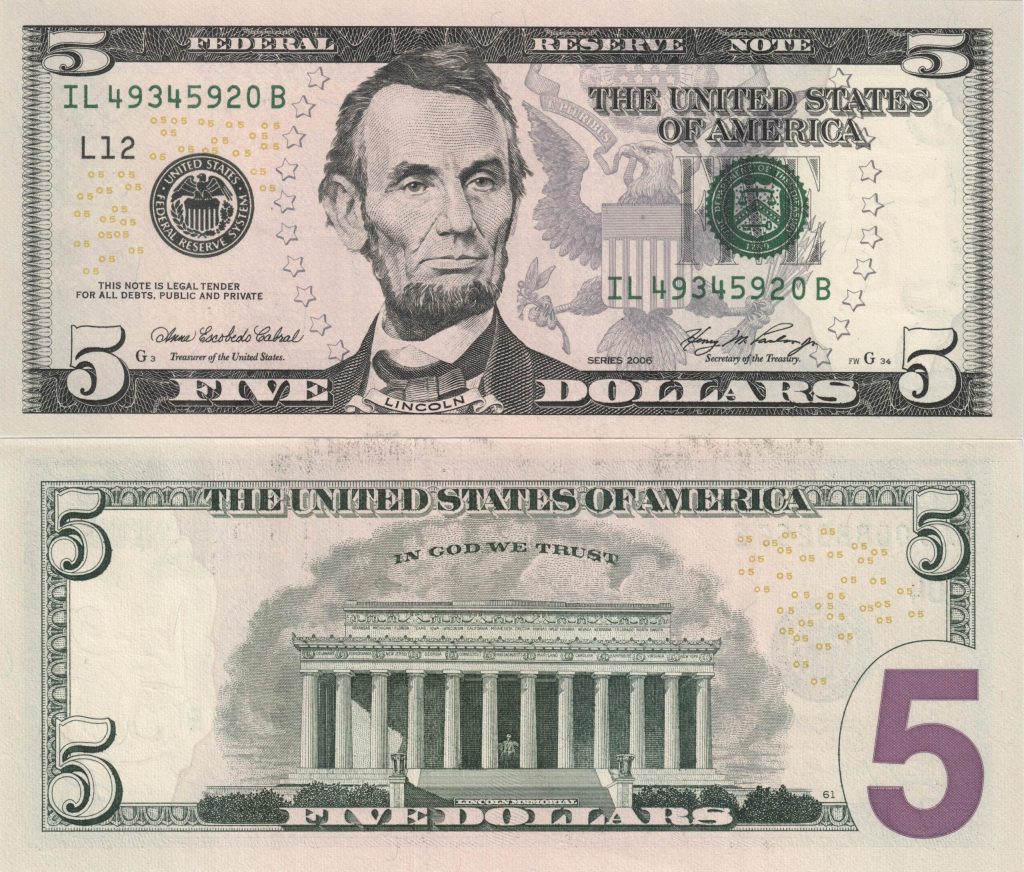
When it comes to sniffing out a fake, the devil is in the details. Genuine banknotes boast several security features, including watermarks, security threads, color-shifting ink, and micro-printing. Ever noticed how a real bill has that unique texture? It’s not just a marketing gimmick; it’s part of what makes it hard to replicate. If your dollar feels smoother than your favorite pair of yoga pants, it’s time to take a closer look!
Tools and Resources for Detection
The good news? You don’t have to be a secret agent to catch a counterfeit. A simple UV light can illuminate security features that are invisible to the naked eye. Similarly, magnifying glasses can help you spot micro-prints. If you’re feeling particularly fancy, you can snag a counterfeit detection pen, which marks bills based on their paper composition. And if all else fails, trust your gut—if it feels like it’s from the “wish I never saw that” part of the internet, it probably is!
The Impact of Counterfeit Money on Consumers and Businesses
Financial Losses and Economic Implications
Counterfeit currency doesn’t just hurt the folks who unwittingly accept it; it’s a ripple effect of financial chaos. Businesses that take fake bills can face significant losses and must absorb the cost. For consumers, the potential of receiving a counterfeit can mean more than just a hurt wallet—it can catch fire to larger economic implications, including inflation and loss of confidence in cash transactions. It’s a vicious cycle, and unfortunately, the only ones winning are the counterfeiters sipping cocktails on a beach somewhere.
Effects on Business Reputation
In the world of business, reputation is everything. A company known for accepting counterfeit currency may find itself in hot water, struggling to win back the trust of its customers. Imagine walking into your favorite café only to hear whispers of “counterfeit scandal”—yikes! Once that word gets out, it can take years to rebuild that trust. Not to mention, banks are less likely to want to partner with a business that keeps a “fake it till you make it” philosophy. There’s no silver lining here; it’s all just a big, heavy cloud of risk.
Preventive Measures: Protecting Your Wallet from Counterfeits
Best Practices for Handling Cash
When it comes to cash, a little caution can go a long way. Always examine your bills before accepting them—look for security features, like watermarks and color-shifting ink. If the bill feels off, it probably is! Keep your wallet organized; separating your cash by denomination not only helps you avoid confusion but also makes it easier to spot a suspicious note. And for the love of all that is good, don’t accept large amounts of cash from strangers in dark alleyways—unless, of course, you’re starring in a particularly shady movie.
Using Technology to Safeguard Transactions
In the digital age, technology can be your trusty sidekick against counterfeiters. Consider using mobile payment apps that encrypt your transactions—goodbye, cash concerns! Point-of-sale systems equipped with counterfeit detection tools can help retailers weed out the fakes before they ever reach your hands. And let’s not forget the sweet, sweet convenience of contactless payments, ensuring your money is not only safe but also the envy of your cash-cramming friends.
Legal Consequences for Counterfeiters and Victims
Punishments for Counterfeiting Offenses
Counterfeiting is a serious crime with serious consequences. Perpetrators could face hefty fines—think thousands of dollars—and prison sentences that would make you question your life choices. Depending on the scale of the counterfeiting operation, some offenders could be looking at decades behind bars. So, unless prison life is your idea of a vacation, it’s best to stick to the honest hustle.
What to Do if You Receive Counterfeit Money
If you find yourself holding a counterfeit bill, resist the urge to throw it in the air and shout, “I’m rich!” First, don’t spend it. That’s a one-way ticket to potential legal troubles. Instead, report it to local authorities or your nearest bank. They’ll have the know-how to guide you through the process and may even be able to help you spot the fakes in the future. Remember, it’s better to be wise than wealthy when it comes to counterfeit cash!
Resources for Reporting and Addressing Counterfeit Currency
Government Agencies and Hotlines
If you suspect you’ve come across counterfeit cash, the U.S. Secret Service is your go-to agency. They take this stuff seriously and maintain hotlines specifically for reporting counterfeit currency. You can also reach out to your local police department or the Federal Reserve; they’re more than happy to help keep the economy safe—even if it means filling out some paperwork.
Community Initiatives and Support Networks
Don’t go tackling counterfeiters alone! Many communities have initiatives in place to educate the public on spotting fake money and what to do if you encounter it. Local businesses may offer training sessions, and neighborhood watch groups can be an invaluable resource. Plus, sharing your experience with friends can help spread awareness—because sometimes, the best defense is a well-informed community.
The Future of Currency: Will Digital Solutions Help?
Emergence of Cryptocurrencies
Cryptocurrencies are popping up like daisies in spring, but will they help with counterfeit concerns? In theory, digital currencies offer a secure alternative, boasting built-in cryptographic features that make counterfeiting a near-impossible dream. However, volatility and the fact that your grandma might still prefer cash over a digital wallet make the transition a tad rocky. Who knew saving the world could be so complicated?
The Role of Central Bank Digital Currencies (CBDCs)
Enter CBDCs, the brainchild of central banks aiming for a stable digital currency that’s backed by governments. These bad boys promise to combine the convenience of cashless transactions with the stability of traditional currency, potentially reducing counterfeit risks. While we’re still waiting on the government to roll them out, the idea is that one day soon, you might be able to impress your friends not just with your cash flow but also with your cutting-edge digital wallet—no fakes in sight!As counterfeit currency continues to pose a significant threat, staying informed and vigilant is crucial for protecting yourself and your finances. By understanding the signs of counterfeit bills and implementing effective preventive measures, you can reduce the risk of being affected. Remember, awareness is your best defense against this growing issue, so stay proactive and keep your wallet safe.
FAQ
How can I tell if a bill is counterfeit?
Look for key features such as watermarks, security threads, and color-shifting ink. Familiarize yourself with the specific security features of your local currency to help identify fakes.
What should I do if I receive a counterfeit bill?
Do not attempt to use the counterfeit bill. Instead, report it to your local authorities or the nearest bank. They can provide guidance on the next steps to take.
Are certain types of businesses more at risk for receiving counterfeit cash?
Yes, businesses that handle large volumes of cash transactions, such as retail stores and restaurants, are often more vulnerable to counterfeit currency.
Can I use technology to help detect counterfeit money?
Yes, there are various devices and apps available that can assist in detecting counterfeit bills. Many businesses now utilize UV light detectors or mobile applications designed for this purpose.
