No products in the cart.

blog
Best Practices for Using ATMs Abroad Without Getting Your Card Cloned
14
Jul
Jul
Best Practices for Using ATMs Abroad Without Getting Your Card Cloned
You are standing in a bustling, sun-drenched plaza in Rome, but before you can relax, you need cash. Discovering the best practices for using ATMs abroad without getting your card cloned is essential to prevent a dream vacation from instantly turning into a financial nightmare. Card cloning is an incredibly common threat for modern travelers, but you do not have to fall victim to these highly sophisticated scams. By implementing a few proactive habits, you can safeguard your hard-earned money and secure your accounts while exploring the world.
Understanding the Enemy: What is ATM Card Cloning?
Before we can effectively fight back, we must understand how criminals operate. ATM card cloning is a two-step illicit process. First, fraudsters steal your physical card details. Second, they capture your private Personal Identification Number (PIN).
   [Criminal installs Skimmer] ──> [Reads Magnetic Stripe Data]
                                           │
                                           ▼
   [Hidden Camera / Overlay]   ──> [Captures PIN keystrokes]
                                           │
                                           ▼
   [Data Transmitted/Copied]   ──> [Duplicate Card Created]
To achieve this, thieves rely heavily on specialized hardware. They temporarily attach these devices directly to legitimate bank machines. Consequently, unsuspecting tourists interact with these compromised terminals without noticing any immediate red flags.
The Role of Magnetic Stripe Skimmers
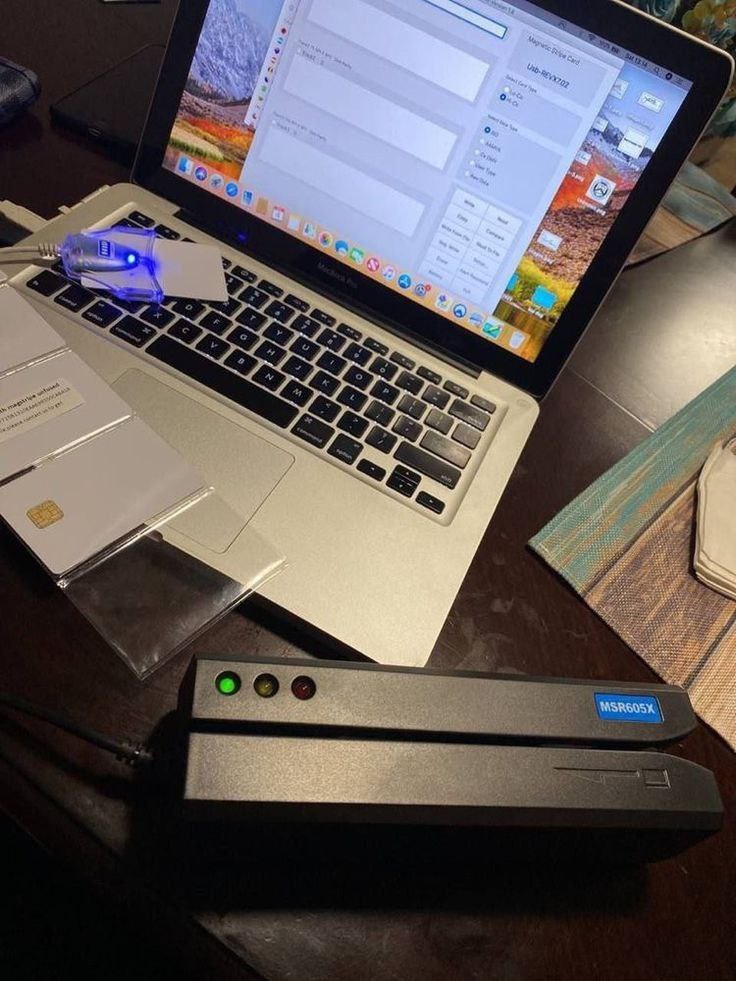
Most credit and debit cards still feature a black magnetic stripe on the back. This stripe stores your sensitive account information in an unencrypted format. Criminals take advantage of this vulnerability by placing a pocket-sized card reader, known as a skimmer, directly over the actual ATM card slot.
When you slide your card into the machine, it passes through the skimmer first. The device instantly copies the data stored on the stripe. Although your transaction proceeds normally, the thief now possesses a digital blueprint of your card.
The Danger of Shimmers
As global banks transition to more secure chip cards, criminals have rapidly adapted. They now deploy incredibly thin micro-technologies called “shimmers.” Unlike bulky external skimmers, thieves insert these paper-thin devices directly inside the internal card reader slot.
Once inside, the shimmer intercepts the data exchange between your card’s EMV chip and the ATM. While chip technology is highly secure, a shimmer can still capture magnetic stripe backup data if the ATM is improperly configured.
PIN Capture Techniques
Stealing your card’s magnetic data is only half the battle for a thief. To actually withdraw cash or make unauthorized purchases, they absolutely require your PIN. Fraudsters usually obtain this secret code using two main methods:
Hidden Micro-Cameras: Criminals hide tiny cameras on the ATM chassis, disguised as brochure holders, security mirrors, or overhead lighting. These cameras point directly at the keypad to record your fingers as you type.
Keypad Overlays: Thieves place a fake, pressure-sensitive keypad directly over the real one. When you press a button, the overlay logs your keystrokes electronically before passing the physical pressure down to register the press on the actual machine below.
Where You Withdraw Matters: High-Risk vs. Safe Locations
Where you choose to withdraw your money is often the single most critical factor in determining your overall safety. Many travelers prioritize convenience over security, which is a dangerous mistake. Selecting the right ATM location will drastically reduce your risk of card cloning.
| ATM Location Type | Risk Level | Security Features | Recommendation |
| Inside a Major Bank Lobby | Extremely Low | 24/7 Video, Physical Guards, Restricted Entry | Highly Recommended |
| Standalone Street Machine | Extremely High | No Surveillance, Easy Criminal Access | Strictly Avoid |
| Convenience Store / Bar | High | Low-Quality Cameras, Non-Bank Operators | Avoid If Possible |
| Airport / Hotel Lobby | Moderate | Public Security, High Foot Traffic | Use Only in Emergencies |
Why Bank-Branch ATMs Are Your Safest Bet
You should always seek out ATMs located physically inside a reputable bank branch. Ideally, choose machines that sit behind a secure glass door requiring you to swipe your card just to enter the lobby.
These locations are exceptionally secure for several reasons. First, banks utilize continuous, high-definition security cameras that monitor every angle of the machine. Second, bank staff regularly inspect their physical hardware for tampering. Consequently, criminals rarely attempt to install bulky skimmers in these highly visible, heavily monitored areas.
The Hidden Dangers of Standalone ATMs
Conversely, you should strictly avoid standalone ATMs on public streets, in dark alleyways, or inside convenience stores. These independent machines are often managed by third-party operators rather than established financial institutions.
Because these terminals receive minimal physical supervision, thieves can install skimming devices in broad daylight within seconds. Furthermore, these machines are frequently located in poorly lit areas, making it incredibly easy for criminals to spy on you as you enter your PIN.
Physical Inspection: Best Practices for Using ATMs Abroad Without Getting Your Card Cloned via Visual Checks
You must train yourself to perform a rapid, five-second physical inspection every single time you approach an ATM. This simple habit is one of the most effective best practices for using ATMs abroad without getting your card cloned.
Before inserting your card, take a moment to look closely at the machine. If anything looks uneven, loose, or out of place, walk away immediately.
                  [Check for Hidden Cameras]
                             │
                             ▼
  [Wiggle Card Slot] ──> [ATM Inspection] <── [Wiggle Keypad]
                             ▲
                             │
                [Inspect Material & Alignment]
The “Wiggle” Test
Legitimate ATMs are built like armored tanks. Their components are tightly integrated and designed to withstand heavy physical abuse. Skimming devices, however, are temporarily attached using double-sided tape, velcro, or cheap silicone.
Therefore, you should always firmly wiggle the card slot reader with your fingers. If the plastic housing moves, feels loose, or detaches completely, a skimmer is likely installed. Do not hesitate to apply a reasonable amount of force; a real ATM slot will not budge at all.
Keypad Inspection
Next, focus your attention on the PIN keypad. Run your fingers along the edges of the key housing. Does the keypad feel unusually thick or raised? Does it feel spongy or unresponsive when you press the buttons?
These are classic signs of a keypad overlay. Additionally, check if the color or material of the keypad matches the rest of the machine. If the keys look cleaner or dirtier than the surrounding plastic, it may be a fraudulent device.
Look for Tiny Holes or Misaligned Trim
Carefully examine the plastic panels directly above or adjacent to the keypad. Thieves frequently drill tiny, almost microscopic holes in the plastic casing to hide micro-camera lenses.
Similarly, look for duplicate or redundant features. For example, be wary of mismatched security mirrors, dual brochure holders, or extra light fixtures pointing directly downward. If you spot a suspicious plastic strip mounted just above the keys, it is highly likely a camera housing.
Tech-Based Defenses: Smart Tools for Modern Travelers
While physical vigilance is crucial, you should also leverage modern technology to protect your bank accounts. Today’s financial landscape offers powerful, tech-based features that can stop card cloning attempts entirely in their tracks.
The Power of Contactless Withdrawals (NFC)
Whenever possible, utilize Near Field Communication (NFC) to make contactless ATM withdrawals. Instead of inserting your physical card into a potentially compromised slot, you simply tap your card or mobile wallet (like Apple Pay or Google Pay) against the contactless reader symbol.
   [Mobile Wallet / Contactless Card]
                  ⿿ (Encrypted NFC Signal)
   [ATM Contactless Reader]
                  ⿿ (Secured Transaction)
This method is incredibly secure because your physical card never enters an actual slot. Consequently, physical skimmers and shimmers are rendered completely useless. Furthermore, mobile wallets encrypt your financial data, generating a unique, one-time security code for every single transaction.
Utilize Virtual and Single-Use Cards
Many modern fintech banks allow you to generate virtual cards directly within their mobile apps. For online travel purchases, you can use temporary, single-use virtual cards that self-destruct immediately after a single transaction.
While you cannot use a virtual card to withdraw physical cash from an older ATM, you can link these virtual cards to your mobile wallet. This layer of abstraction ensures that your main, funded bank account numbers are never exposed to thieves.
Enable Real-Time Transaction Alerts
Knowledge is power when dealing with financial fraud. You should configure your banking apps to send instant push notifications for every single transaction, no matter how small.
If a thief successfully clones your card and attempts a withdrawal, your phone will buzz instantly. This immediate alert allows you to lock your card via your mobile app within seconds, preventing further unauthorized withdrawals and minimizing your financial damage.
Essential Rules for On-Site Safety and Preventing Card Cloning
Even if you find a secure ATM inside a bank lobby, your personal behavior during the transaction still matters immensely. Adhering to strict on-site safety protocols will ensure your details remain private.
The “Golden Rule”: Cover Your PIN Hand
No matter how safe an ATM appears, you must always cover your typing hand with your free hand, a map, or a wallet while entering your PIN. Do not assume you are safe simply because nobody is standing directly behind you.
       [Left Hand: Covers the Keypad from Overhead View]
                             ▼
       [Right Hand: Safely Types PIN on Keypad]
Remember, hidden micro-cameras are often positioned directly above the keypad. By thoroughly shielding your hand from all angles, you ensure that even if a camera is present, the footage of your keystrokes will be completely useless to criminals.
Avoid Helpful Strangers
Never allow anyone to assist you while you are using an ATM. Fraudsters often work in coordinated teams. One person may politely point out that you dropped some cash on the floor, while their accomplice quickly swaps your card or memorizes your PIN.
If anyone approaches you, speaks to you, or stands uncomfortably close during your transaction, cancel the withdrawal immediately. Retrieve your card, thank them firmly, and walk away to find another machine in a safer area.
Secure Your Cash Instantly
Once the machine dispenses your cash and returns your card, secure them in your wallet or pocket immediately. Do not stand in front of the ATM counting your bills or organizing your purse.
Fumbling with cash in public makes you an incredibly easy target for opportunistic thieves or pickpockets. Instead, quickly pocket your funds, walk to a secure, private space, and then organize your money safely out of public view.
What to Do If Your Card Is Cloned Abroad
Sometimes, despite your very best efforts, things can still go wrong. If you discover unauthorized transactions on your account while traveling, you must act decisively to protect your funds.
Freeze Your Account Immediately
The moment you suspect fraud, open your mobile banking app and lock your card. Most modern banks feature a prominent “Freeze” or “Lock Card” toggle switch. This action instantly blocks all future transactions while you figure out your next steps.
Contact Your Bank’s Fraud Department
Call your bank using the official phone number printed on the back of your physical card or listed on their verified website. Inform them that you are currently traveling and need to report unauthorized transactions. They will permanently cancel the compromised card and initiate a formal fraud dispute.
File a Local Police Report
Visit the nearest local police station to file a formal report. While the local authorities may not catch the thieves, having an official police report is often a mandatory requirement for your bank to reimburse your stolen funds. Keep a physical or digital copy of this report for your records.
Frequently Asked Questions About the Best Practices for Using ATMs Abroad Without Getting Your Card Cloned
Can chip cards (EMV) actually be cloned?
Yes, but it is much more difficult. While the chip itself cannot be easily cloned, criminals use shimmers to extract backup magnetic stripe data from improperly configured ATMs, allowing them to create a duplicate magnetic card.
Is it safer to use a credit card or a debit card abroad?
Credit cards are significantly safer. If a credit card is compromised, you are disputing the bank’s money rather than watching your personal checking account get drained of actual cash. Credit cards also offer far more robust legal fraud protections. You can read more about securing top-tier accounts in the Experian Guide to Best Travel Credit Cards.
Do independent ATMs charge higher fees?
Yes. Standalone, non-bank ATMs (such as those owned by Euronet or other private operators) frequently charge massive transaction fees and utilize unfavorable currency exchange rates. You should read the Rick Steves Guide to Overseas Card Fees to understand how to bypass these predatory networks.
What is dynamic currency conversion (DCC)?
DCC is a costly service where the foreign ATM offers to bill your card in your home currency instead of the local currency. Always decline this offer and choose to be billed in the local currency to get the best exchange rate from your own bank. For a comprehensive breakdown of this billing trap, check out the UK Post Office Guide on Avoiding DCC.
Protect Your Wealth: Final Best Practices for Using ATMs Abroad Without Getting Your Card Cloned
Mastering the best practices for using ATMs abroad without getting your card cloned is an essential skill for any modern traveler. By choosing secure bank-lobby machines, performing physical inspections, covering your PIN, and leveraging modern mobile wallets, you can explore the globe with absolute peace of mind.
Are you preparing for your next international adventure? Ensure your personal finances remain completely secure by checking out our latest, in-depth travel security guides and financial tips over at Primequalitynotes.com. Safe travels, and keep your hard-earned money exactly where it belongs—in your wallet!
