
blog
Are Clone Cards Draining European Bank Accounts?
Jun
Are Clone Cards Draining European Bank Accounts?
The digital age has revolutionized how we manage money, offering unprecedented convenience through tap-to-pay, mobile wallets, and online banking. However, this convenience has come with a shadow. Across Europe, a dark narrative is circulating: Are “clone cards” quietly draining the bank accounts of everyday citizens? If you have seen headlines about sudden, mysterious ATM withdrawals or unauthorized cross-border transactions, you might be wondering how vulnerable your money truly is. Here is an in-depth look at the reality of card cloning in Europe today, how fraudsters bypass modern security, and what you can do to protect your hard-earned funds.
What is a “Clone Card”?
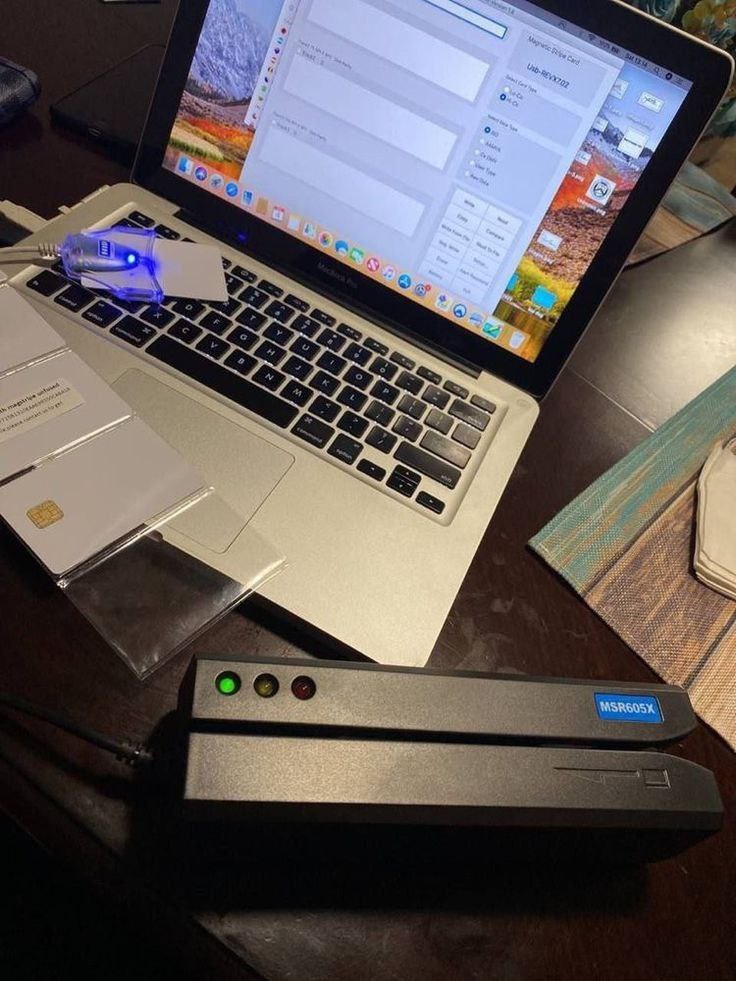
Card cloning, or counterfeit card fraud, occurs when a criminal steals the digital information stored on your legitimate credit or debit card and copies it onto a blank, functional dummy card.
Once programmed, this replica behaves exactly like your real card at checkout terminals or ATMs, pulling funds directly from your linked European bank account.
The Technology: How Fraudsters Clone Cards
Historically, card cloning relied on skimming—attaching bulky physical overlays to ATMs or gas pumps to read the card’s magnetic stripe while a hidden camera recorded the PIN.
Because the European Union strictly mandated EMV (Eurocard, Mastercard, and Visa) microchips and instituted strict regulatory standards under the Payment Services Directive (PSD2), traditional magnetic stripe skimming within Europe has plummeted. However, criminals have evolved. Today, they utilize highly sophisticated techniques:
- Shimming: Instead of skimming the magnetic stripe, fraudsters place incredibly thin, invisible devices called “shimmers” inside the ATM or Point-of-Sale (POS) card slot. These devices intercept the data directly from your card’s EMV chip.
- Virtual Skimming (Magecart Attacks): Rather than tampering with physical terminals, malicious actors inject code into vulnerable e-commerce checkout pages. When you buy something online, they steal your card data in real-time.
- The “Fake Card” Postal Scam: A sophisticated trend involves physical social engineering. Fraudsters send highly realistic letters to victims’ mailboxes containing a “new” or “upgraded” counterfeit bank card. The letter instructs the victim to scan a malicious QR code to activate it, directing them to a phishing site that drains their real bank account within minutes.
Are European Accounts Actively Being Drained?
Yes, but the methodology has shifted. Thanks to strict European regulations and Strong Customer Authentication (SCA), it is nearly impossible for a criminal to use a physical cloned card with just magnetic stripe data inside the Eurozone.
Instead, “draining” happens through two primary loopholes:
- “One-Legged” Cross-Border Transactions: Europe requires EMV chip validation, but many regions globally still rely on magnetic stripes. Fraudsters capture card data via shimming or data breaches in Europe, clone the physical card, and use it to perform massive cash-outs or purchases in countries outside the EU where security protocols are more relaxed. According to the European Central Bank, cross-border transactions consistently account for the vast majority of the total value of European card fraud.
- E-Wallet and Social Engineering Exploits: Rather than printing a physical plastic card, hackers use your stolen card credentials to load a virtual clone onto e-wallets (like Apple Pay or Google Pay). To bypass the bank’s security, they use AI-driven phishing texts or phone calls, manipulating the victim into revealing the One-Time Password (OTP) required to authorize the wallet binding. Once bound, the criminal has full, frictionless access to drain the account.
How to Protect Your Bank Account
While banks and payment systems are deploying predictive AI defenses to catch fraud before it happens, the ultimate line of defense is consumer vigilance. Protect your funds by practicing these security habits:
- Inspect Before You Insert: Give physical card slots at ATMs, ticket machines, and fuel pumps a gentle tug. If any part feels loose, misaligned, or yields glue residue, do not use it.
- Never Scan QR Codes from Postal Mail: Real banks will never ask you to scan a QR code from a random letter to activate a payment card or update your personal identity profiles. Always verify cards using your official banking app or the phone number printed explicitly on the back of your official card.
- Leverage Geoblocking and Limits: Most European banking apps allow you to temporarily disable magnetic stripe payments, block international transactions outside Europe, or set low daily cash withdrawal limits. Keep these restrictions active unless you are traveling.
- Guard Your OTPs with Your Life: Treat One-Time Passwords like the keys to your vault. A bank will never call or text you asking you to read back an OTP. If someone requests it, hang up immediately.
Conclusion
Are clone cards draining European bank accounts? While the classic image of a criminal swiping a crudely cloned plastic card at a local supermarket is largely a thing of the past in Europe—thanks to robust EMV and PSD2 safeguards—the underlying threat remains highly potent.
Today’s “cloning” is heavily digitized, shifting toward hybrid attacks that combine physical data interception (shimming), online data theft, and targeted social engineering. European accounts are being targeted, but by remaining skeptical of urgent communications, auditing physical terminals, and maximizing the security features within your banking app, you can ensure your funds remain entirely out of reach.
Disclaimer
The information provided in this blog post is for general informational and educational purposes only. While we strive to provide accurate and up-to-date analysis regarding financial technology and fraud trends, cybercrime tactics change rapidly. This content does not constitute professional legal, financial, or cybersecurity advice. Always consult directly with your banking institution or a qualified security expert regarding specific vulnerabilities or suspected fraudulent activity on your financial accounts.

Pingback: Verify ID to Prevent Cloned Card Chargebacks: Store Guide