No products in the cart.

blog
How Bank Note Validators in Vending Machines Detect Fake Currency
16
Jul
Jul
Bank Note Validators: How Vending Machines Detect Fakes
Have you ever wondered how bank note validators in vending machines instantly know whether you inserted a genuine bill or a counterfeit? You slide the paper currency into the narrow slot, and the machine hums for a brief second. Consequently, your drink is dispensed, or the machine spits the bill back out with stubborn rejection.
Vending machines rely on highly sophisticated hardware known as bill acceptors or bank note validators. These specialized components use physical, optical, and magnetic tests to analyze your cash in real time. In this comprehensive guide, we will explore exactly how these systems function to protect business owners from fraud.
The Core Anatomy of Bank Note Validators
To understand how validation works, we must first look at the internal components of modern bank note validators. These machines are not just simple optical scanners. Instead, they are highly precise, compact labs designed to run multiple forensic tests on a piece of paper in less than a second.
The Entry Slot and Transport Belt
First, the user inserts the bill into the bezel or entry slot. When this happens, optical or mechanical break-beam sensors instantly detect the paper’s presence. Consequently, these sensors trigger a motorized transport system.
This transport system consists of rubber belts and rollers. These rollers pull the bill into the device at a steady, controlled speed. Because the velocity must remain perfectly constant, the motor uses optical encoders to track speed. If a bill moves too slowly, the machine knows it might be crumpled, wet, or attached to a string.
The Microprocessor Analysis
Meanwhile, an onboard microcontroller acts as the central brain. This processor receives high-frequency analog signals from various sensors. Subsequently, it converts these signals into digital data.
The microcontroller then compares this real-time data to a pre-programmed database of currency signatures. Industry-leading hardware, such as the systems manufactured by Crane Payment Innovations (CPI), uses highly advanced, multi-frequency processors. If the incoming data matches the reference template within a tight margin of error, the machine accepts the bill. Otherwise, the motor reverses, and the transport belt ejects the paper back to the user.
Physical Dimension Verification by Bank Note Validators
Before conducting advanced chemical or optical scans, bank note validators check the physical geometry of the note. This step acts as the primary gatekeeper.
Measuring Length and Width Accurately
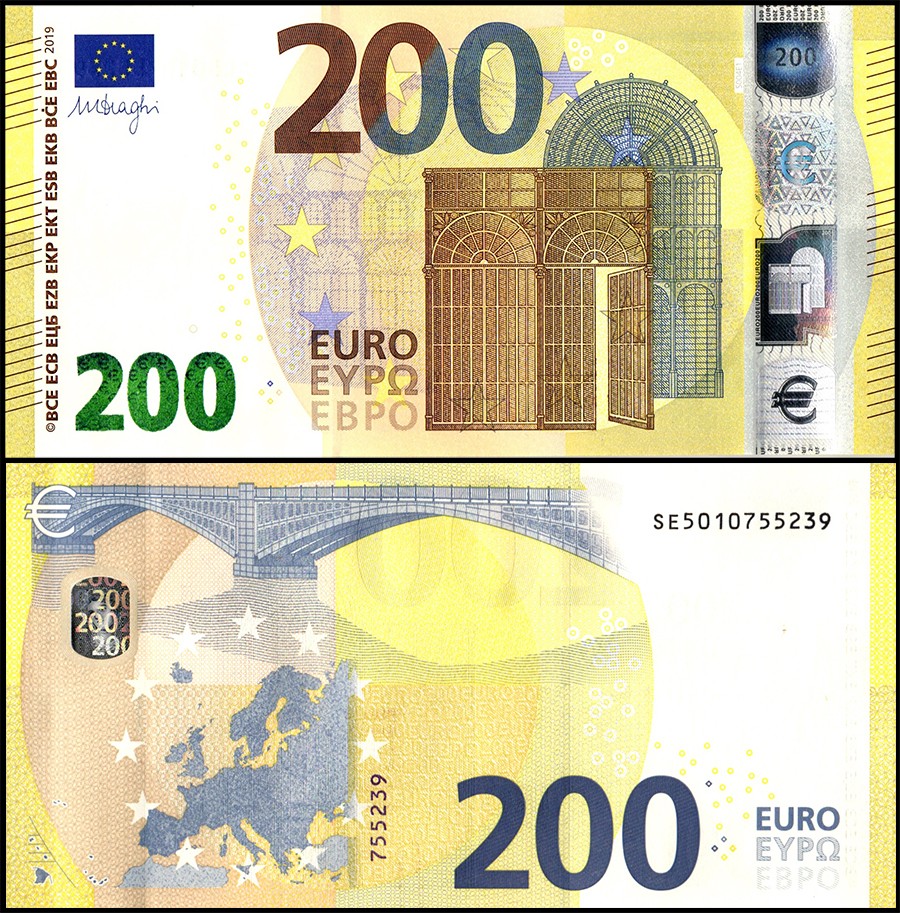
First, the machine measures the physical dimensions of the currency. Modern banknotes from different countries possess unique length and width specifications. For example, Euro notes vary in size based on denomination, while US dollars maintain uniform dimensions.
As the bill passes through the entry channel, physical edge-detection sensors map its boundaries. If a bill is even a millimeter too short, too long, too wide, or skewed at an angle, the validator rejects it. This process quickly filters out poorly cut photocopies or foreign bills.
Calculating Thickness to Prevent Fraud
Additionally, validators measure the physical thickness of the paper. Genuine currency paper has a very specific, consistent thickness. This thickness is determined by the heavy pressure of the printing press and the unique composition of the paper.
To measure this, the validator uses a tiny mechanical roller arm or an acoustic sensor. If you attempt to feed a double-thick counterfeit created by pasting two thin sheets of paper together, the validator detects the anomaly. Consequently, the machine will reject the note immediately to prevent “stringing” or “fishing” attacks.
| Sensor Type | Feature Evaluated | Fraud Prevented |
| Edge Detectors | Bill length and width | Foreign bills, poorly cut counterfeits |
| Thickness Roller | Paper thickness, mechanical tape | Double-sided copies, “stringing” scams |
| Optical Encoders | Feed speed, bill position | Manual manipulation, crumpled paper |
Optical Sensors: How Bank Note Validators Inspect Bill Integrity
The most critical phase of the validation process involves optical inspection. This is where the core magic happens.
Infrared (IR) Spectroscopy Checks
Genuine paper money is printed using highly specialized inks. These inks behave in unique ways when exposed to infrared light. Specifically, some inks absorb infrared light, while others remain completely transparent under it.
Therefore, the validator contains infrared light-emitting diodes (LEDs) and matching photodiode receivers. As the bill passes between them, the machine measures how much infrared light penetrates the paper.
For instance, on a genuine US dollar, certain sections of the portrait will completely disappear under infrared light. If a counterfeit is printed with standard commercial ink, the infrared light cannot pass through properly. As a result, the validator flags the bill as suspicious.
Ultraviolet (UV) Fluorescence Mapping
Next, the validator utilizes ultraviolet light sensors. This test targets the paper substrate itself. Most commercial printer paper is made from wood pulp and contains optical brighteners. These chemicals make the paper look white by glowing brightly under UV light.
In contrast, real banknotes are made from cotton and linen fibers, which do not contain these brighteners. Consequently, genuine cash remains dull and chemically “dead” under ultraviolet light.
Furthermore, many global currencies have embedded fluorescent security threads. Under UV exposure, these threads glow in specific colors, such as blue, red, or green. According to official design guidelines from the U.S. Currency Education Program, these security threads are strategically mapped to glow uniquely for each denomination. The validator’s UV sensor measures this fluorescence to confirm the bill’s authenticity.
Visible Light Transmittance Analysis
Finally, visible light sensors evaluate the fine details of the print itself. These sensors act like a high-speed camera, reading the exact color values and density of the inks.
Because genuine currency is printed using the intaglio process, the ink has a raised, textured feel and precise pigment density. Standard ink-jet or laser printers cannot replicate this texture. The visible light sensors easily spot the blurry, flat patterns of commercial printing, leading to an instant rejection.
Magnetic Ink Detection by Bank Note Validators
Many people do not realize that genuine banknotes contain magnetic properties. This feature represents a highly effective defense against amateur counterfeiters.
How Magnetic Read Heads Track Iron Oxide
To prevent counterfeiting, central banks mix magnetic iron oxide into the black inks used on paper bills. This magnetic ink is applied to specific areas of the currency, such as the portrait or the serial numbers.
[Bill Entry] --> [Magnetic Read Head] --> [Detects Iron Oxide] --> [Verifies Pattern Match]
As the bill glides through the transport channel, it passes directly over a series of magnetic read heads. These components are highly similar to the read heads found in old cassette tape players. They do not just look for any magnetic signature. Instead, they look for magnetism in very specific geographic coordinates on the bill.
Mapping Specific Magnetic Patterns
Each denomination of paper currency features a unique magnetic map. Therefore, a five-dollar bill has a completely different magnetic profile than a twenty-dollar bill.
If a counterfeiter uses magnetic toner in a high-end laser printer, they might succeed in making the bill magnetic. However, the toner will be distributed across the entire surface of the note.
The validator’s read heads will instantly recognize that the magnetic pattern is incorrect. Because the magnetic map does not match the target database, the machine safely rejects the counterfeit.
Advanced Verification: Thread and Holographic Analysis
For high-denomination banknotes, simple optical and magnetic checks are sometimes not enough. Because of this, advanced bank note validators employ next-level inspection technologies.
Scanning the Embedded Security Thread
Most major currencies feature a plastic security thread running vertically through the bill. This thread is embedded directly into the paper pulp during the manufacturing process, rather than being printed on top.
[LED Light Source] ---> [Paper Substrate] ---> [Security Thread] ---> [Photodetector]
                                                        |
                                            (Verifies Thread Position)
To verify this thread, the validator uses a focused light source and a corresponding receiver array. The machine measures the exact physical position of the thread.
Additionally, it reads the microprinting on the thread itself using micro-optical sensors. If the thread is missing, or if it is in the wrong position for that specific denomination, the note is rejected.
Evaluating Optically Variable Devices (OVDs)
Many modern banknotes incorporate Optically Variable Devices (OVDs), such as holograms, color-shifting inks, and metallic foils. For example, the numeral in the bottom right corner of newer US hundred-dollar bills shifts from copper to green when tilted.
High-end bank note validators use multi-angle light sources to analyze these color shifts. By shining light at different angles and measuring the reflected wavelengths, the validator can confirm if the ink actually shifts color. If a counterfeiter has simply printed a static, metallic-looking ink, the multi-angle sensors will spot the fake immediately.
How Bank Note Validators Adapt to Counterfeiters
The battle between counterfeiters and currency validator manufacturers is a continuous game of cat and mouse. As printing technology advances, validators must adapt to stay ahead.
Simple Photocopied Money vs. Advanced Supernotes
In the early days of vending machines, criminals could fool basic validators with simple black-and-white photocopies or green-tinted paper. However, those days are long gone.
Today, criminals sometimes produce highly sophisticated counterfeits known as “supernotes.” These fakes are printed on similar cotton-blend paper with high-quality offset presses.
Fortunately, modern bank note validators use 3D optical scanning and spectral analysis. These systems measure light absorption across multiple spectrums simultaneously. Even if a supernote looks perfect to the human eye, its chemical and magnetic signatures will fail to match the strict standards of the validator’s processor.
Why Regular Firmware Updates are Critical
Because central banks regularly update currency designs to combat counterfeiting, validator manufacturers must continuously update their software. This is why regular firmware updates are vital for vending machine operators.
When a country introduces a new banknote design, validator companies analyze the new bill’s optical, magnetic, and physical properties. They then write new detection algorithms and distribute them as firmware updates.
By flashing the validator with this new code, operators ensure their machines can accurately identify both the new genuine bills and the latest counterfeit variations.
Frequently Asked Questions
Why do bank note validators reject crisp, genuine bills?
Vending machines often reject genuine bills if the note is dirty, heavily creased, or folded. Dirt and grease can block optical sensors, while creases can alter the physical measurements of the bill. Additionally, if the bill is inserted at a sharp angle, the edge sensors will trigger a safety rejection to prevent jams.
Can a vending machine tell the difference between different denominations?
Yes, absolutely. Every denomination has a unique physical size, optical reflectance pattern, and magnetic signature. The validator’s processor analyzes these combined inputs and compares them to a database to determine the exact value of the bill.
What is “stringing” or “fishing,” and how do validators prevent it?
“Stringing” is a fraud technique where a user attaches a string or tape to a bill, inserts it to get credit, and then pulls it back out. Modern validators prevent this using optical anti-pullback sensors and mechanical gates that block the bill from being pulled backward once it passes a certain point.
Do bank note validators accept foreign currency?
Generally, no. Bank note validators are programmed with specific regional datasets. If you insert a foreign bill, its size, magnetic patterns, and optical features will not match any profile in the database. Consequently, the machine will reject it as unrecognized paper.
Protecting Your Vending Business Integrity
Understanding how bank note validators in vending machines detect fake currency highlights the incredible engineering behind these daily devices. By combining physical sizing, optical scanning, ultraviolet fluorescence, and magnetic mapping, validators act as an incredibly secure, automated defense system for business owners.
If you are a vending machine operator, maintaining your validators is key to securing your revenue. Be sure to clean your sensors regularly with specialized cleaning cards to remove dust, oil, and ink buildup. Furthermore, keep your validator firmware updated to protect your machines against the latest counterfeiting techniques.
For more deep dives into the fascinating technology driving modern commerce and security, explore our library at Primequalitynotes.com.
