No products in the cart.

blog
What to Do If Your Debit Card Was Cloned: Immediate Action Checklist
09
Jul
Jul
WHAT TO DO IF YOUR DEBIT CARD WAS CLONED
The Immediate Action Checklist
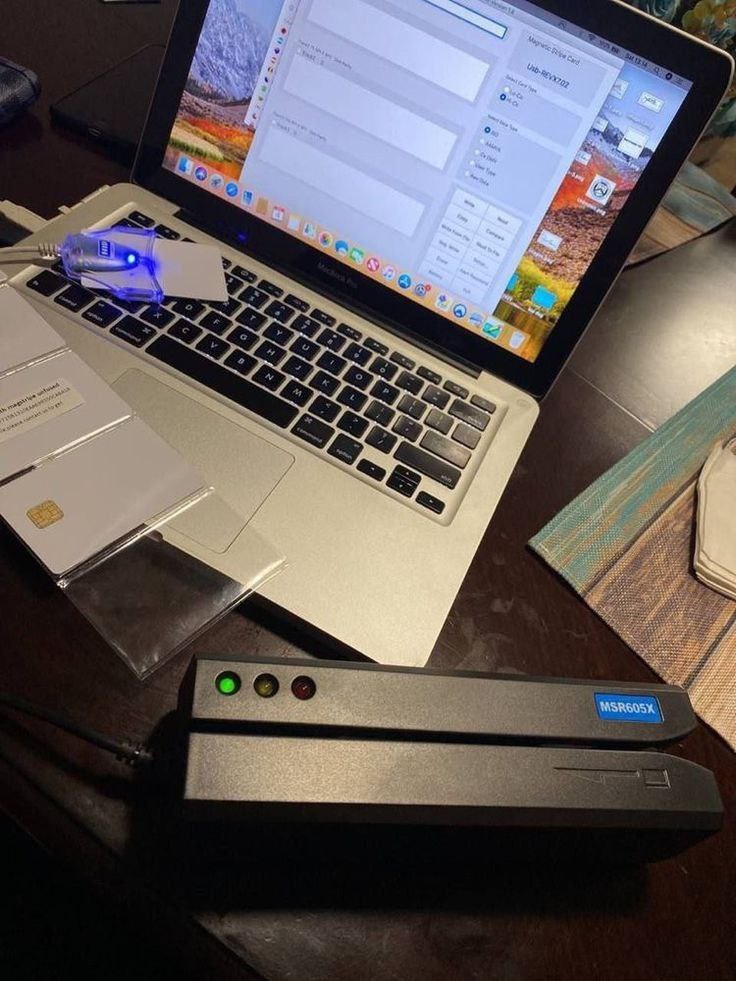
Imagine checking your mobile app to discover your account has been drained, or having your card declined because your money is suddenly gone. That cold panic means your card has likely been cloned—meaning criminals copied your card data to create a counterfeit duplicate.
Unlike credit card fraud (where you spend the bank’s money), debit fraud steals your actual, physical cash. This impacts your rent, utilities, and daily survival.
When this happens, every minute counts. Use this high-readability dashboard to isolate the damage, reclaim your funds, and lock down your identity.
PHASE 1: THE FIRST 60 MINUTES
Objective: Immediate Containment
1. Freeze the Card Digitally
Action: Log into your mobile banking app or desktop portal immediately.
Path: Go to “Card Settings” $\rightarrow$ “Security” $\rightarrow$ “Manage Cards.”
Command: Toggle the button to “Freeze,” “Lock,” or “Turn Off.”
Impact: This instantly blocks the card, stopping new transactions dead in their tracks.
2. Call Your Bank’s Fraud Department
Safe Routing: Look for the phone number only on the back of your physical card or a real bank statement.
Warning: Never Google the support number; scammers run fake helpline ads to intercept panicked victims.
The Script to Say:
“My debit card has been cloned. I see unauthorized transactions. Please permanently cancel this card, dispute the charges, and issue a new card with a new 16-digit number and PIN.”
3. Run a Micro-Transaction Audit
What to look for: Look back 14 days for tiny charges under $2.00.
The Trap: Criminals run tiny test charges to see if a cloned card works. If it passes, they return to drain the account. Document every single suspicious transaction name and amount.
PHASE 2: WITHIN 24 HOURS
Objective: Formal Claims & Legal Protection
Know Your Rights (U.S. Regulation E)
Your legal liability for stolen funds scales based on how fast you report the crime:
Reported before charges clear: $0 Liability.
Reported within 2 business days: $50 Maximum Liability.
Reported between 2 and 60 days: Up to $500 Liability.
Reported after 60 days: Unlimited Liability (You could lose everything).
PRO-TIP: REQUEST PROVISIONAL CREDIT Bank fraud investigations can take up to 45 business days. However, under Regulation E, banks are generally required to issue a provisional (temporary) credit within 10 business days for the disputed amount, putting cash back in your hands while they finish their checks.
File Your Reports
Local Police Report: Call your local police non-emergency line. Give them your audited transaction list. Get a physical copy of the report or a Case Report Number to validate your bank dispute.
Federal Report (U.S.): Log onto IdentityTheft.gov (FTC). Submit an identity theft report to get a formal recovery plan and an official report to protect your credit history.
PHASE 3: THE FIRST 48 TO 72 HOURS
Objective: Digital Hardening
1. Reset Digital Access
Passwords: Change your online banking password to a strong phrase (minimum 16 characters, mixed symbols/numbers).
PINs: Choose a new debit PIN completely unrelated to birthdays, addresses, or previous patterns.
Security Questions: Change your challenge questions. Use fictional answers that cannot be researched on your social media profiles.
2. Upgrade Your Authentication
The Threat: Avoid standard SMS text message security codes; hackers can intercept them via SIM-swapping attacks.
The Fix: Switch your bank profile to an authenticator app (like Google or Microsoft Authenticator) to receive secure, un-hackable login tokens.
3. Move Automated Autopays
The Issue: Your old card is permanently dead, meaning automated bills will now fail.
The Fix: Audit your subscriptions (insurance, utilities, streaming) and move them to an alternate payment method, like a credit card or direct bank ACH. Remove your old card details from online store profiles like Amazon.
PHASE 4: LONG-TERM FINANCIAL SURVEILLANCE
Objective: Permanent Protection
Real-Time Alerts: Turn on push notifications in your mobile app for all transactions. You will see any unauthorized activity within seconds.
Weekly Audits: Spend 5 minutes every weekend looking at your transaction history. Don’t wait for your monthly statement.
Credit Checks: Visit AnnualCreditReport.com to pull your credit file. Look for random inquiries, new credit lines, or strange addresses that suggest deeper identity theft.
HOW CARDS GET CLONED (AND PREVENTING IT)
Know the Attacking Tactics
Skimming Overlays: Plastic attachments placed over real ATM or gas pump card slots. They read your card data while a tiny hidden camera records you typing your PIN.
Shimming Inserts: Paper-thin circuit boards hidden completely inside chip readers. They capture chip data invisibly.
Data Breaches: Corporate leaks and fake phishing texts that trick you into typing your card data into fake websites.
Your Best Defensive Habits
The Jiggle Test: Before sliding your card into an ATM or gas pump, grip the slot and give it a firm shake. Real bank hardware is solid; if it moves, feels loose, or looks thick, don’t use it.
Switch to Contactless (Tokenization): Stop swiping or dipping your physical card. Pay using Apple Pay, Google Pay, or tap-to-pay features. Contactless terminals use tokenization—they generate a random, one-time security code instead of transmitting your raw account number. Even if intercepted, the code is dead, making card cloning impossible.
CONCLUSION
Discovering your debit card has been cloned is deeply violating and stressful. However, you can completely control the crisis with rapid organization.
By freezing your account within the first hour, you protect your cash and secure your legal right to a refund from your bank. Following up with law enforcement secures a proper paper trail, and upgrading your digital habits keeps you protected long-term. Use this experience to sharpen your awareness, utilize contactless digital wallets, and confidently lock out financial predators.
DISCLAIMER
This article is for informational and educational purposes only. It does not constitute formal legal, financial, or cybersecurity advice. Security protocols, banking regulations (such as Electronic Fund Transfer Act protections), and institutional policies can vary drastically based on your country, state, specific financial institution, and individual account terms. If you suspect your financial accounts have been compromised, or that you are a victim of identity theft, please immediately contact your bank, local law enforcement, and a certified consumer protection professional to obtain assistance tailored to your exact situation.
