
blog
Uncover the Truth: Buying Counterfeit Cash Online in the UK!
Jun
Uncover the Truth: Buying Counterfeit Cash Online in the UK!
In an increasingly digital world, the allure of easy money can lead individuals down a dangerous path, especially when it comes to the illicit trade of counterfeit cash. In the UK, the online marketplace has seen a surge in the buying and selling of fake currency, posing serious risks not only to those who engage in these transactions but also to the economy at large. This article delves into the complexities of counterfeit cash, exploring its legal ramifications, the methods used in its production, and the significant dangers associated with its purchase online. By uncovering the truth behind this underground market, we aim to equip readers with the knowledge they need to navigate these treacherous waters safely.
Understanding Counterfeit Currency: What You Need to Know
Definition of Counterfeit Currency
Counterfeit currency refers to any fake money that’s made with the intention of being passed off as legitimate legal tender. Think of it as the money’s not-so-funny impersonator that really shouldn’t be getting the limelight. Using counterfeit cash is not only unethical but also illegal, with serious repercussions that can make your head spin faster than a one-pound coin in a vending machine.
Historical Context and Evolution
Counterfeit currency isn’t a modern-day occurrence; it’s been around nearly as long as currency itself. From the ancient Chinese using silk paper to create their fake bills (who needs an app when you’ve got some crafty fingers?) to the high-tech printing methods of today, counterfeiters have continually evolved their techniques. The advent of digital printing and online marketplaces has only made it easier for these shady characters to operate, making it crucial for consumers to be informed.
The Legal Implications of Buying Counterfeit Cash in the UK
Overview of UK Laws Regarding Counterfeit Currency
In the UK, the law takes counterfeiting pretty seriously. Under the Counterfeit Currency Act 1981, any attempt to produce, sell, or even possess counterfeit currency can land you in hot water. The law is designed to protect the integrity of the economy and ensure that the only paper you’re holding is the genuine article—no fakes allowed.
Penalties for Offenders
If you’re caught in the act of dealing with counterfeit cash, you could face hefty fines or even hefty prison sentences. The maximum penalty for producing or distributing fake currency can be up to 10 years in prison. That’s a long time to think about your life choices—definitely not a vacation you want to book.
How Counterfeit Cash is Created and Circulated
Methods of Counterfeiting
Counterfeiters have developed a smorgasbord of methods to create fake cash, from using sophisticated printers and scanning techniques to even employing advanced technology like holograms. You might think you’re holding a masterpiece, but if it doesn’t pass the sniff test in the hands of a trained eye, it’s more likely to land you in trouble than to buy you lunch.
Distribution Channels for Counterfeit Currency
The distribution of counterfeit cash can be as murky as a pond filled with mystery beasts. Often, it flows through underground networks, reaching unsuspecting victims via online transactions or on the street from less-than-reputable characters. The anonymity of the internet adds an extra layer of danger, making it easier for counterfeiters to operate while staying out of sight—like ninjas with fake cash, if you will.
Risks and Dangers of Purchasing Fake Money Online
Financial Losses
Let’s start with the obvious: purchasing counterfeit cash can lead to significant financial losses. You may think you’re scoring a deal, but the moment you attempt to spend that fake dough, you’ll quickly find out that what you have is worth about as much as Monopoly money. Spoiler alert: it’s not worth your investment—at all.
Legal Consequences
As mentioned earlier, dealing with counterfeit currency is illegal. Buying it online may seem like a low-risk gamble, but the reality is you’re risking a criminal record and potential imprisonment. Not the kind of “fun” you want to have while scrolling through the web, right?
Scams and Fraudulent Sellers
If the prospect of buying counterfeit cash isn’t risky enough, there’s also the parade of scams and fraudulent sellers waiting to take your money. The online world is full of tricksters who disappear faster than your favorite snack at a party once they’ve got your cash. Protecting yourself from scams requires vigilance, so keep your wits about you and don’t take the bait!
Identifying Counterfeit Cash: Tips and Techniques
Physical Characteristics of Authentic Currency
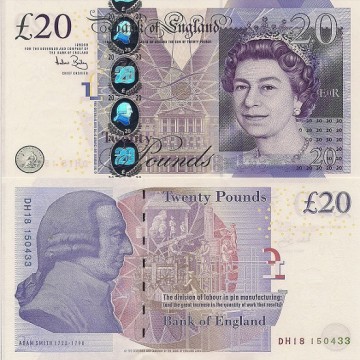
When it comes to spotting counterfeit cash, familiarity is your best friend. Authentic currency features distinct characteristics: raised printing, color-shifting ink, and a security thread embedded in the bill. Don’t forget about the watermark! Hold that note up to the light and see if the portrait glows back at you. If it looks like a ghost, you might be holding a fake!
Using Technology to Verify Currency
In this digital age, who needs a magnifying glass? Use a smartphone app designed for currency verification! Many apps can instantly tell you whether a bill is real or counterfeit by scanning the note’s physical features. Some ATMs even have built-in counterfeit detection systems. So next time you’re unsure, let technology do the heavy lifting. Trust me, your wallet will thank you!
The Dark Web: A Hub for Counterfeit Currency Transactions
Accessing the Dark Web Safely
Venturing into the dark web requires more than just a curious mind—think of it as a digital haunted house where the ghosts are hackers and scams. Use a reliable VPN to shield your identity and keep your data safe from unwanted visitors. A Tor browser is a must to navigate this shadowy realm. Just remember: if it feels fishy, it probably is. Proceed with caution—like approaching a suspicious burrito truck at 2 AM.
Common Types of Counterfeit Currency Sold
On the dark web, counterfeit currency comes in all shapes and sizes—from low-quality replicas that could fool your unsuspecting friend to high-end forgeries that would make even the Bank of England do a double-take. Popular denominations include £20 and £50 notes, often targeted for their high value. Just remember, if the deal seems too good to be true, it usually is—like finding a unicorn in your backyard.
Reporting Counterfeit Currency: Your Responsibilities
How to Report Counterfeit Cash
If you stumble upon counterfeit cash, it’s your civic duty to report it. You can contact your local police or use the dedicated service from the Bank of England. It might be tempting to handle it on your own, but remember: you’re not the superhero here. First, take note of where and when you received the bill, and then hand it over to the pros.
Government and Law Enforcement Resources
The UK’s government takes counterfeit currency seriously, and they have a game plan to tackle it. Check out resources like the Bank of England’s website and Action Fraud. They have information on reporting, advice, and what to do if you find counterfeit money. Ignoring it won’t make it disappear—not even magic can help with that!
Protecting Yourself: Safe Practices and Alternatives to Counterfeit Cash
Recognizing Legal Alternatives
If you find yourself tempted by counterfeit cash, hold that thought! There are plenty of legal alternatives out there, from cryptocurrency to mobile payment apps. These options are not only safer but also take advantage of the technology we have at our fingertips. Plus, they come without the risk of being investigated by the authorities—bonus!
Best Practices for Financial Transactions
To keep your finances in tip-top shape, always verify the authenticity of cash you receive. Use cashless payment methods whenever possible—they’re convenient and help you keep your hands clean from potential counterfeit risks. If you do deal in cash, make it a habit to check for security features. In the end, a little vigilance goes a long way in protecting your hard-earned pounds!In conclusion, while the temptation to buy counterfeit cash online may seem appealing, the risks far outweigh any potential short-term benefits. Understanding the legal implications, recognizing the signs of counterfeit currency, and knowing how to protect oneself are essential steps in avoiding the pitfalls of this illegal market. By staying informed and making wise financial choices, individuals can safeguard themselves and contribute to a healthier economy. Always remember that the pursuit of quick cash should never compromise integrity or legality.

The best