
blog
Clone Credit Cards and E-commerce: What European Buyers Need to Know
Jun
Clone Credit Cards and E-commerce: What European Buyers Need to Know
As e-commerce continues to flourish across Europe, so too does the sophistication of financial fraud, particularly through the use of clone credit cards. These fraudulent cards, created by criminals to exploit unsuspecting online shoppers, pose a significant risk to consumers’ financial security. Understanding the mechanics behind clone credit cards, recognizing the tactics employed by fraudsters, and adopting best practices for online shopping are essential for European buyers looking to navigate this increasingly perilous digital marketplace. This article aims to equip consumers with the knowledge and tools they need to protect themselves from clone card fraud and to make informed decisions when engaging in e-commerce.
Understanding Clone Credit Cards: Definition and Mechanics
What are Clone Credit Cards?
Clone credit cards are like the less glamorous twin of your traditional credit card but with all the fraud and none of the perks. They are essentially copies of legitimate credit cards, created with the intent to deceive. Fraudsters usually get their hands on your card information and then create a clone that can be used for unauthorized purchases. It’s the digital pickpocketing of our time—just without the awkwardness of standing next to someone on the subway.
How Clone Cards are Created
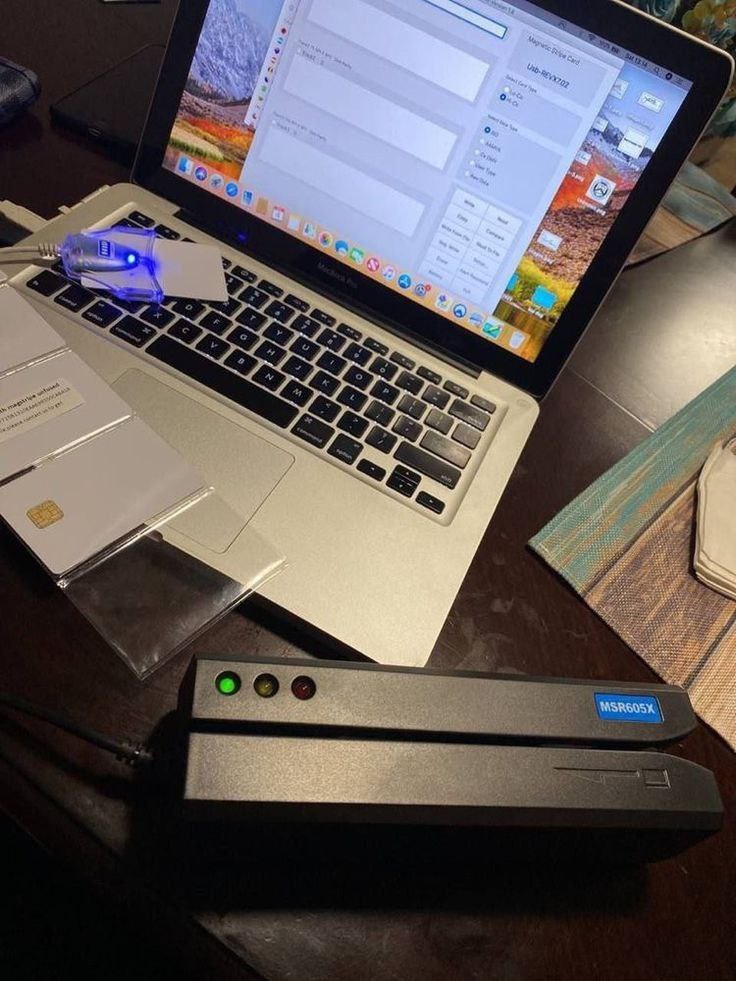
Creating a clone card is a process that’s almost too easy for the tech-savvy criminal. First, they collect your credit card details—often through hacking, phishing, or skimming at point-of-sale terminals. Once they have your information, they can use special equipment to encode it onto a blank card, which looks strikingly similar to the real deal. Just like a magician pulling a rabbit out of a hat, but a lot less fun and a lot more illegal.
Differences Between Clone Cards and Traditional Fraud
While both clone cards and traditional fraud involve theft, the methods and implications can differ quite a bit. Traditional fraud often means creating fake accounts or using stolen identities for purchases, whereas clone cards specifically replicate existing credit cards. In short, traditional fraud is like a really bad prank call that escalates quickly, whereas clone cards are more like slipping a fake ID to get into a club. Both are illegal, but one’s a bit more creative than the other.
The Rise of E-commerce Fraud in Europe
Statistics on E-commerce Fraud
E-commerce fraud has been on the rise like the latest trendy diet—everyone’s talking about it, and unfortunately, the statistics are terrifying. In recent years, reports suggest that fraudulent online transactions could cost European retailers billions. In fact, some studies show that e-commerce fraud rates may have increased by as much as 30% year-on-year. That’s enough to make any retailer lose sleep (and maybe their lunch).
Regions Most Affected by Fraud
When it comes to e-commerce fraud, some regions are catching more heat than others. Countries like the UK, Germany, and France have seen significant spikes in fraud cases. It’s almost as if fraudsters have drawn a little map with a ‘you are here’ sign pointing to the most lucrative targets. Regionally, urban areas with high internet penetration and online shopping enthusiasm often bear the brunt. So, if you’re in a big city, keep your digital guard up!
The Impact of the COVID-19 Pandemic
Ah, the pandemic—a time for sourdough starters and virtual happy hours, but it also opened the floodgates for e-commerce fraud. With everyone shopping online more than ever, fraudsters seized the opportunity like a kid in a candy store. Online purchases skyrocketed, and so did fraudulent activities, making it difficult for both consumers and retailers to differentiate the genuine from the counterfeit. The pandemic taught us many lessons, but one of the most important is to double-check who we’re buying from.
Common Tactics Used by Fraudsters
Phishing and Social Engineering
Phishing is the bread and butter of fraudsters—think of it as fishing, but with emails and a lot less water. They bait victims with messages that look official, asking for sensitive information. Social engineering takes it up a notch, involving cunning manipulation to get you to spill your digital guts. It’s as if they’re casting a line with expert precision, hoping you’ll bite without realizing there’s a hook.
Identifying Secure E-commerce Platforms
Signs of a Legitimate Website
When shopping online, knowing the difference between a legitimate site and a fraudster’s playground is crucial. Look for clear contact information, a professional design, and a return policy that doesn’t feel like it was written in invisible ink. Trust your instincts—if something feels off, it probably is. It’s better to miss out on that “unbeatable deal” than to end up regretting it later!
Importance of SSL Certificates
SSL certificates are like the bouncers of the internet; they ensure that your data stays safe and secure when you’re entering sensitive information. If you see “https” in the URL (that little “s” is the key), pat yourself on the back and know you’re on a site that encrypts your data. If it’s just “http,” the bouncer might be napping on the job—best to look for another venue to shop.
Reviews and Reputation Checks
Checking reviews and the overall reputation of a website is akin to doing a background check before striking up a friendship. Dive into customer reviews, check their social media presence, and browse forums to gauge what previous buyers have to say. If the website has more complaints than compliments, it’s time to hit the escape button faster than you can say “fraud alert!” Remember, a little research goes a long way in keeping your wallet safe.
Best Practices for Protecting Your Financial Information
Using Strong Passwords and Two-Factor Authentication
When it comes to online shopping, think of your password as the bouncer at the club. You want it to be tough—but not impossible to remember. Aim for at least 12 characters, a mix of upper and lower case, numbers, and symbols. And for extra security, enable two-factor authentication (2FA). This means even if a mischievous hacker gets your password, they’ll still need your phone (or some other device) to get in. It’s like having a secret handshake that only you and your real-life bank know!
Monitoring Financial Transactions
Keep an eagle eye on your bank statements and transaction history. Regularly check for any unauthorized charges like you’re a detective in a heist movie. Most banks offer alerts for transactions, and you can set them up to notify you right away. If anything looks fishy—like that $500 charge from “Fred’s Unnecessary Widgets”—don’t hesitate to investigate further.
Secure Payment Methods to Consider
When you’re buying that trendy pair of shoes online, consider using secure payment methods like virtual credit cards, PayPal, or even crypto (if that’s your jam). These options act as middlemen, protecting your actual credit card details. Think of it as wearing a disguise while you sneak into a party. Your identity remains safe, and you can shop in peace without worrying about clone card drama.
What to Do if You Fall Victim to Clone Card Fraud
Immediate Steps to Take
First things first: panic isn’t on the agenda. Take a deep breath. Immediately contact your bank or card issuer and report the fraud. They’re equipped to help you stop any unauthorized transactions and can freeze or cancel your card faster than you can say “clone.” Also, change your passwords right away, because it’s time to fortify your defenses.
Reporting the Fraudulent Activity
After informing your bank, report the fraud to your local police—yes, really! It might sound dramatic, but having a police report can come in handy when disputing charges. Also, reach out to your country’s fraud reporting service. In the EU, services like Action Fraud can guide you through the process. Remember, you’re not alone in this; there’s a whole squad ready to help.
Recovering Lost Funds and Preventing Future Issues
Reclaiming your lost funds can feel like trying to win back a lost love—exhausting but possible! Most banks will refund you for fraudulent charges if you report them promptly. Afterward, consider enrolling in identity theft protection services; they can monitor your accounts and provide peace of mind. You’ll be back to shopping stress-free in no time!
Legal Framework and Consumer Rights in Europe
EU Regulations on Online Payments
The EU has your back when it comes to secure online payments. Regulations like the Payment Services Directive 2 (PSD2) enforce strong security measures for online transactions, including requiring 2FA for certain payments. So, if you get snagged in a clone card scandal, rest assured that the EU has set up defenses designed to protect your financial turf.
Consumer Protection Laws
European consumer protection laws are robust, offering you a safety net when things go awry. If you fall victim to fraud, you have the right to dispute unauthorized transactions. Not to mention, under the Consumer Rights Directive, you can cancel orders and receive refunds—fancy that! Always keep a copy of your transactions and receipts, because they’re your armor in the battle for rights.
Resources for Legal Assistance
Should you find yourself tangled in a web of fraud, there’s help at hand! Websites like the European Consumer Centre provide useful resources and guidance on what to do next. If you need legal advice, consider reaching out to local consumer advocacy groups or legal aid services that specialize in fraud cases. They’ll help you navigate the murky waters of legalese with ease.
FAQ
What should I do if I suspect I’ve been a victim of clone card fraud?
If you suspect clone card fraud, immediately contact your bank or credit card issuer to report the suspicious activity. They can help you freeze your account, investigate the charges, and issue a new card. Additionally, monitor your financial statements for any unauthorized transactions.
How can I identify a secure e-commerce website?
Look for websites that use HTTPS in their URL, indicating a secure connection. Check for SSL certificates, read customer reviews, and ensure the website has clear contact information and return policies. Be cautious of sites that seem poorly designed or lack transparency.
Are there any specific payment methods that can enhance security when shopping online?
Yes, consider using payment methods that offer added security features, such as virtual credit cards, digital wallets like PayPal, or prepaid debit cards. These options can help protect your actual credit card information from being exposed to potential fraud.
What legal protections do I have as a consumer in Europe against online fraud?
European consumers are protected by various laws, such as the Payment Services Directive (PSD2), which mandates strong customer authentication for online transactions. Additionally, consumer protection laws ensure that you can dispute unauthorized transactions and seek refunds.
Content Disclaimer
Legal & Security Disclaimer: The information provided in this article is for educational, informational, and consumer-awareness purposes only. This content does not constitute legal or financial advice. The discussion of “clone credit cards” and related illicit e-commerce practices is strictly intended to help consumers, merchants, and European buyers identify financial fraud, protect their personal data, and understand cybersecurity risks. This platform does not condone, promote, or facilitate any illegal financial activities, identity theft, or fraudulent transactions. Readers are strongly encouraged to adhere to official European financial regulations and report any suspected fraudulent activity to their local banking institutions or law enforcement agencies.
Conclusion
Navigating the intersection of e-commerce and financial fraud requires constant vigilance from European consumers. As cybercriminals deploy increasingly sophisticated methods to clone credit cards and exploit vulnerabilities in online marketplaces, relying solely on traditional security measures is no longer enough.
Fortunately, European buyers are backed by some of the robust consumer protection frameworks in the world. Initiatives like the Second Payment Services Directive (PSD2) and the widespread mandate for Strong Customer Authentication (SCA)—such as biometric checks and multi-factor verification—have created a much safer digital single market. However, technology can only do so much; the final line of defense rests with consumer habits.
By prioritizing secure payment gateways, routinely monitoring bank statements, avoiding suspicious third-party vendors, and keeping an eye out for data breaches, you can drastically minimize your risk. In the modern digital economy, staying informed is your most powerful tool. Shop smart, safeguard your credentials, and remember that if an e-commerce deal looks too good to be true, it likely is.
